1-800-309-2144

Electric fireplaces vary in price because of genuine differences in flame technology, construction materials, warranty coverage, and long-term manufacturer support — not just branding. A unit that looks similar in a product photo can perform completely differently in a finished room, and those differences show up over years of use, not just the first week. Understanding what drives those gaps helps you spec with confidence and avoid the regret of realizing the distinction too late.
What Actually Separates a Premium Electric Fireplace from a Commodity One?
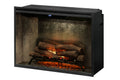
The single biggest driver of price difference is flame technology. Entry-level units use basic LED arrays with simple reflection panels. Premium units use multi-layer optical systems, high-definition media beds, and in some cases water vapor combustion effects that produce genuine three-dimensional flame movement you cannot replicate with a flat LED grid.
The difference is visible from across the room. In a new build where the fireplace is a focal point — a living room feature wall, a primary suite, a great room — that visual impact matters. Clients notice it. Designers notice it. It is the difference between a fireplace that reads as a luxury focal point and one that reads as an appliance.
Beyond flame technology, construction materials separate tiers clearly:
FeatureCommodity UnitPremium UnitFlame systemBasic LED reflectionMulti-layer optical or water vaporCabinet constructionThin gauge steel or plastic housingHeavy-gauge steel, tempered glassEmber bed / mediaPainted plastic logsHand-finished logs, crystal media, stoneControlsBasic remoteApp control, programmable zonesWarranty1 year limited2-5 year full coverageManufacturer supportNone or third-partyDirect factory support
Every tier above commodity adds something you can see, touch, or rely on after install — not just a higher number on a spec sheet.
Does a Higher Price Mean Better Flame Realism?
Yes, in most cases — but only when the technology behind the flame is genuinely different, not just the brand name on the front.
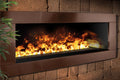
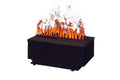
Flame realism in electric fireplaces comes from a few specific technologies. Multi-depth flame projection creates the illusion of depth by layering light at different focal distances. Water vapor technology goes further: a Water Vapor Fireplace uses ultrasonic mist and LED lighting to produce actual three-dimensional flame movement that responds to airflow, creating an effect that is visually indistinguishable from real fire to most viewers.
One customer who came to Electric Fireplaces Depot described exactly this confusion: he had done extensive research online, found contradictory information, and noticed that units ranked highest for realism in reviews did not actually look real to him when he saw them. That disconnect is common. Online rankings often reflect affiliate relationships, not field observation. The customer ultimately purchased the Modern Flames Orion Slim 60" Version 2 Heliovision — a unit with a multi-layer optical system — specifically because the flame technology justified the investment for his covered outdoor pavilion application.
When someone asks "which model did you buy?" in a home renovation forum, the honest answer from experienced buyers is almost always: the one where the flame looked real in person, not the one that ranked highest in a search result.
What Are the Hidden Costs of Going with a Lower-Priced Unit?
The sticker price is only part of the equation. Lower-priced units tend to carry shorter warranties, limited or no manufacturer support, and components that are not field-serviceable if something fails.
In a new construction project, that matters more than in a simple room refresh. A fireplace built into a feature wall or a custom enclosure is not easy to swap out if the unit fails at year two. Spec-grade units from manufacturers who work directly with distributors like Electric Fireplaces Depot come with real warranty coverage, replacement part availability, and support from people who know the product.
Trade professionals who specify fireplaces across multiple projects consistently choose units with builder-grade reliability because they cannot afford a post-install service call on a finished project. The product is only half the equation — the other half is knowing someone stands behind it.
A verified customer put it simply: "From chatting online to placing our order to its arrival… We researched many units from very expensive to really cheap. The look of the flame was important to us as well as the unit itself. 5-stars."
That research process — comparing across the full price range and landing on quality — is the experience most serious buyers go through. The ones who skip it often come back asking how to replace a unit that is already built into a wall.
How Do You Know If a Price Difference Reflects Real Value or Just Markup?
Ask three questions before you buy:
What is the flame system, specifically? A manufacturer that cannot explain the optical technology behind their flame effect in plain terms is not a premium product. Premium manufacturers publish technical specs on flame depth, media options, and light source lifespan.
What does the warranty actually cover? A one-year limited warranty on a fireplace built into a custom enclosure is a risk. Two to five years of full coverage with direct manufacturer support is a different product category.
Who supports it after the sale? Affiliate sites and marketplace sellers move units. They do not spec projects, answer technical questions after delivery, or help you troubleshoot an installation issue six months later. Electric Fireplaces Depot works directly with manufacturers for factory-direct pricing and warranty support, which means the guidance you get before the sale is backed by real product knowledge, not a commission structure.
Another customer described the experience: "Thank you for your guidance in choosing the right fireplace. Also, in your efforts to make sure we had the logs that we had chosen. We are anxiously awaiting the installation so we can enjoy our new fireplace."
That kind of guided specification process — matching the right unit to the right application before the purchase — is what prevents the most common and costly mistake in electric fireplace buying: choosing by price alone.
What Should You Actually Spec for a New Build?
For new construction projects, the relevant questions are: Is this a visual feature or supplemental heat? Is there an existing enclosure or are you building from scratch? What is the wall depth available?
These answers determine whether you need a recessed linear unit, a built-in insert, or a freestanding statement piece. They also determine whether the installation environment supports a standard electric unit or whether the depth, enclosure design, and ambient conditions make a water vapor unit the right call.
The premium electric fireplaces collection at Electric Fireplaces Depot is organized around these project variables — new construction, retrofit, wall depth, and application type — so you can match the unit to the build rather than reverse-engineering your enclosure around a product you already ordered.
For any project where the fireplace is a primary design element, spec it the same way you would spec any other architectural feature: by performance requirements first, price second.
Checklist
-
Confirm the flame technology type before purchasing — ask whether the unit uses LED reflection, multi-layer optical, or water vapor, and verify it against the manufacturer spec sheet.
-
Check warranty terms specifically: what is covered, for how long, and whether support comes directly from the manufacturer or through a third party.
-
Match the unit to your wall depth and enclosure dimensions before finalizing the spec — a recessed installation requires different clearances than a wall-mount.
-
If you are a trade professional specifying for a new build or multi-unit project, ask about factory-direct pricing and project support before placing the order.
-
Research the seller, not just the product — affiliate sites and marketplace listings rarely provide post-sale support; work with a credible source that can answer technical questions after delivery.
-
For outdoor or covered patio applications, confirm the unit's rated environment — not all electric fireplaces are designed for covered exterior use.
FAQ
Why do some electric fireplaces cost under $300 while others cost several thousand dollars?
The price gap reflects real differences in flame technology, construction quality, warranty coverage, and manufacturer support. Lower-priced units typically use basic LED reflection systems, thinner housing materials, and carry limited one-year warranties with no direct manufacturer support. Premium units use multi-layer optical systems or water vapor technology, heavy-gauge construction, and come with two to five years of coverage backed by the manufacturer.
Is a more expensive electric fireplace actually more realistic looking?
In most cases, yes — but only when the higher price reflects a genuinely different flame technology, not just a brand premium. Multi-layer optical systems and water vapor fireplaces produce three-dimensional flame movement that basic LED units cannot replicate. The best way to evaluate realism is to see the flame system described in technical terms by the manufacturer, not ranked by a review site.
What is the difference between an electric fireplace and a water vapor fireplace?
A standard electric fireplace uses LED light and reflection panels to simulate flame. A water vapor fireplace uses ultrasonic mist and LED lighting to produce actual three-dimensional flame movement in real mist — the visual result is significantly more realistic. Water vapor units require proper enclosure preparation and airflow control to perform correctly, which is why guided specification matters for those installations.
What should I look for in an electric fireplace warranty?
Look for coverage length (two years minimum for a premium unit), what components are covered, and whether support comes directly from the manufacturer. A one-year limited warranty on a unit built into a custom enclosure is a meaningful risk — if the unit fails after warranty, you may be replacing something that is already finished into a wall.
Can I trust electric fireplace reviews I find online?
Many online rankings reflect affiliate relationships rather than independent field observation. A credible source will describe specific flame technology, construction materials, and warranty terms rather than ranking units by popularity or price tier. Buyers who have done thorough research consistently report that units ranked highest in search results did not always perform best in person.
How do I know which electric fireplace model is right for my new build?
The right unit depends on your wall depth, enclosure type, intended use (visual feature vs. supplemental heat), and installation environment. Working with a specialist who asks those questions before recommending a model — rather than pushing a popular product — is the most reliable way to avoid post-install problems.
Do electric fireplaces require venting or gas lines?
No. Electric fireplaces require no venting and no gas line, which makes them well-suited for new construction and retrofit projects where adding infrastructure would add cost and complexity. This is one of the primary reasons trade professionals specify electric units for projects requiring a clean installation environment and predictable operating cost.
If you are in the middle of a new build or renovation and trying to decide which model makes sense for your specific project, the most useful next step is a direct conversation — not more browsing. The team at Electric Fireplaces Depot can help you spec the right unit based on your actual installation environment, enclosure dimensions, and design intent, not just what is popular this season. Call or text 800-309-2144, or reach out by email at sales@electricfireplacesdepot.com.