1-800-309-2144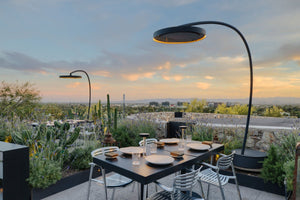

For most renovation scenarios, yes — electric fireplace inserts are worth it, and often significantly more practical than the wood or gas alternative they replace. The real question is not whether they work, but whether the specific insert you're considering is right for your specific opening, your enclosure prep, and your intended use. That distinction is where most homeowners get tripped up, and where the conflicting online advice comes from.
If you have an existing fireplace opening and want realistic flame ambiance without the cost and complexity of a gas conversion, an electric insert is one of the most efficient paths forward. Here's what actually determines whether it's the right call for your project.
What Makes an Electric Fireplace Insert Worth It for a Renovation?
The value of an electric insert comes down to three things: what you're replacing, what you're putting it into, and what you actually need it to do.
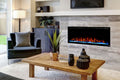
Electric inserts are designed for retrofit applications — they slide into an existing firebox opening and transform a dead, drafty, or unused fireplace into a functioning visual feature or supplemental heat source. No gas line is needed. No venting is required. That alone eliminates two of the most expensive and complicated parts of a traditional fireplace upgrade.
For a homeowner converting an old wood-burning fireplace, the math is often straightforward. A gas conversion requires running a new line, installing a venting system, and ongoing fuel costs with variable pricing. An electric insert requires a standard electrical outlet — something most existing fireplace locations already have nearby — and operates on a predictable, flat electricity cost.
The installation complexity is reduced compared to every combustion alternative. That's not a marketing claim; it's a structural fact about how these units are built and what they require.
What Are the Real Limitations Homeowners Should Know?
Electric inserts are not a perfect solution for every situation, and the honest answer requires acknowledging where they fall short.
Heat output varies by unit. Electric inserts provide supplemental heat, not primary heating for large open spaces. If your goal is to heat a 2,000-square-foot open floor plan, no insert — electric, gas, or otherwise — is the right tool. But for zone heating in a living room, bedroom, or den, a quality electric insert performs well and does it efficiently.
The flame realism depends entirely on the product. This is where the online noise gets loud and contradictory. Entry-level units with flat LED displays look nothing like a real fire. Premium units from manufacturers who have invested in multi-dimensional flame technology look genuinely impressive. The gap between the two is significant, and reviews that lump them together create exactly the kind of confusion that makes renovation decisions harder than they need to be.
The enclosure is half the equation. Most installation issues come from enclosure preparation, not the insert itself. An insert placed into a firebox with debris, inconsistent depth, or a non-standard opening width will underperform regardless of how good the unit is. The product is only 50% of success — the install environment is the other 50%. Getting the enclosure dimensions right before ordering is the step most homeowners skip, and it's the one that causes the most problems after the fact.
How Do You Know If Your Existing Fireplace Opening Is a Good Candidate?
The opening itself tells you most of what you need to know before you spend anything.
Measure the width, height, and depth of your firebox. Most electric inserts are built to standard firebox dimensions, but variations in older homes — especially masonry fireplaces built before standardized sizing — can create fit issues. A unit that's even slightly too wide or too shallow for your opening is going to cause problems, and returning a large electric insert is a costly, logistical headache.
Check what's already in the space. If you're working with an older wood-burning fireplace, the firebox may need cleaning or minor preparation before an insert goes in. If there's an existing gas insert you're replacing, confirm the electrical access situation before you commit to a unit.
Consider the intended use honestly. Is this a visual feature — a luxury focal point for a room that doesn't get much natural warmth? Or do you need it to contribute real supplemental heat on cold nights? The answer changes which unit specs matter most and which features are worth paying for.
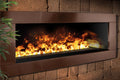
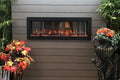
One customer came to Electric Fireplaces Depot overwhelmed after weeks of contradictory research. They were installing a unit in an exterior covered kitchen and pavilion — a non-standard application where the wrong unit would have been a waste. After a detailed conversation with a product specialist, they landed on the right unit for that specific environment, received shipping updates throughout the process, and had the unit arrive earlier than expected. That kind of guided selection process is what separates a good outcome from an expensive mistake.
Is the Flame Effect Actually Realistic Enough to Be Worth It?
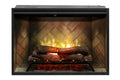
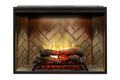
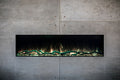
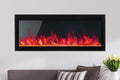
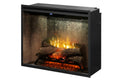
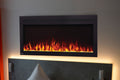
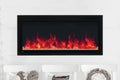
Modern electric insert technology has advanced considerably. Premium units use multi-layer flame projection, ember bed lighting, and adjustable color temperature to create a fire effect that reads as genuinely realistic from a normal viewing distance. The best units on the market today are a different category of product from what existed even five years ago.
That said, "realistic" is relative, and the only way to evaluate it honestly is to see the unit operating — not in a product photo, which is always optimized, but in a video or showroom environment that shows the flame in motion.
The customers who are most satisfied with their electric inserts are the ones who chose based on flame quality first, then confirmed the fit and heat specs. The customers who end up disappointed usually chose on price alone and got a unit with a flat, unconvincing flame effect that doesn't hold up in a well-lit room.
"The look of the flame was important to us as well as the unit itself," one customer noted after a thorough research process that compared units across a wide range of price points. "5-stars."
That's a consistent pattern across thousands of installations: flame quality drives long-term satisfaction more than any other single variable.
So Are Electric Fireplace Inserts Worth It in 2026?
For the right scenario, absolutely. An electric insert eliminates venting requirements, removes the need for a gas line, reduces installation complexity, and delivers realistic flame ambiance with zero combustion. For homeowners converting an existing firebox opening who want a clean, low-maintenance installation with predictable operating costs, it's one of the most practical upgrades available.
The cases where they're not worth it are specific: when the opening dimensions are non-standard and no insert fits correctly, when the primary need is high-output heating for a large space, or when the budget only allows for a low-tier unit with a flame effect that won't satisfy a discerning eye.
The answer to "is it worth it" is always answered by the specifics of the project — which is exactly why generic pros-and-cons lists online leave you more confused than when you started. The Electric Fireplaces Depot electric fireplace insert product category is built around helping homeowners evaluate those specifics before committing, not after.
If you're at the decision point and want a direct answer based on your actual opening dimensions and intended use, reach out. Call or text 800-309-2144, or email sales@electricfireplacesdepot.com. A real product specialist — not an automated system — will help you determine whether an insert is the right call and which unit fits your project correctly.
Checklist
- Measure your firebox opening (width, height, and depth) before researching specific insert models — fit issues are the most common and most avoidable problem in electric insert installations.
- Decide whether your primary need is visual ambiance, supplemental heat, or both — this determines which specs matter most for your unit selection.
- Watch the flame effect in video, not just product photos — still images do not accurately represent how the flame looks in motion or in a lit room.
- If you are a homeowner converting an existing wood or gas fireplace, confirm electrical access near the firebox before ordering.
- Evaluate the enclosure condition — clean out debris and confirm the firebox is structurally sound before the unit arrives.
- Contact a qualified electric fireplace specialist to confirm your unit selection against your actual project details before purchasing, especially for non-standard openings or outdoor applications.
FAQ
Are electric fireplace inserts as good as gas inserts? They serve different purposes, so "as good" depends on what you need. Electric inserts require no gas line and no venting, which makes them significantly simpler to install in most renovation scenarios. Gas inserts produce more BTUs and may be preferred for primary heat. For visual ambiance and supplemental warmth in a living space, premium electric inserts with modern flame technology are a fully competitive option.
Can an electric fireplace insert actually heat a room? Yes, most electric inserts provide supplemental heat suitable for a single room or zone. They are not designed to serve as primary heat sources for large, open floor plans. For a living room, bedroom, or den, a quality insert can meaningfully raise the ambient temperature while the flame effect is running.
Do electric fireplace inserts look fake? It depends entirely on the product. Entry-level units with flat LED displays can look unconvincing. Premium electric inserts from quality manufacturers use multi-dimensional flame projection technology that reads as genuinely realistic from normal viewing distances. Flame quality is the single variable that drives long-term satisfaction most consistently — it's worth prioritizing in the selection process.
What size electric fireplace insert do I need for my existing fireplace? Measure the width, height, and depth of your firebox opening before selecting a unit. Most electric inserts are built to standard firebox dimensions, but older masonry fireplaces often have non-standard sizing. A unit that doesn't fit correctly will underperform and is costly to return — getting the measurements right before ordering is the most important step in the process.
Is installation of an electric fireplace insert difficult? Installation complexity is reduced compared to gas or wood alternatives because no venting is required and no gas line is needed. Most electric inserts require a standard electrical outlet and slide into the existing firebox opening. The most common issues come from enclosure preparation — ensuring the opening is clean, correctly dimensioned, and structurally ready — not from the insert itself.
How long do electric fireplace inserts last? Quality electric inserts from premium manufacturers are built for long-term residential use. LED flame systems are designed to run for many thousands of hours without replacement. Longevity is closely tied to product quality and correct installation — units installed in well-prepared enclosures with proper electrical connections consistently outperform those that weren't set up correctly from the start.
Can I install an electric fireplace insert in an outdoor covered space? Some electric inserts are rated for covered outdoor applications, but not all. This is a non-standard use case that requires confirming the unit's environmental ratings and protection specs before purchasing. A product specialist can help identify which units are appropriate for your specific outdoor setup and climate conditions.