1-800-309-2144

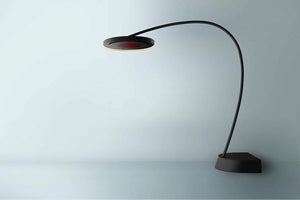
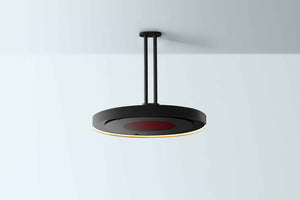

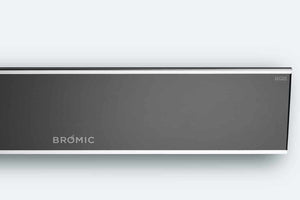
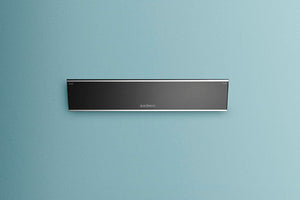
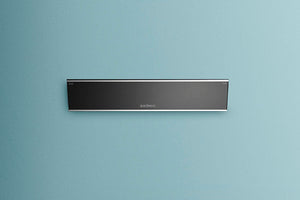
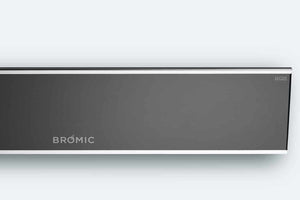
Outdoor electric patio heaters require specific minimum clearances from ceilings, walls, combustible materials, and obstructions - and those clearances are defined by each manufacturer for each specific unit. The short answer: ceiling-mounted infrared heaters typically need at least 8 feet of floor-to-heater mounting height, roughly 25 centimeters (about 10 inches) of side clearance, and 15 to 25 centimeters (about 6 to 10 inches) of clearance above the unit, though the exact figures vary by wattage and model.
At Electric Fireplaces Depot, we see clearance questions come up on nearly every covered patio and pergola project - and the consequences of getting them wrong range from failed inspections to fire hazards to a heater that simply underperforms because it was mounted too close to a ceiling that traps and reflects heat back into the unit.
What Are the Standard Clearance Numbers for Ceiling-Mounted Outdoor Electric Heaters?
Ceiling-mounted outdoor electric heaters carry manufacturer-specified minimums that must be treated as hard requirements, not guidelines. Bromic Heating states that its outdoor electric patio heaters used on covered patios should maintain a minimum of 8 feet of clearance from the floor to the heater surface. That figure applies to the mounting height - the distance from the finished floor to the bottom face of the unit.
For clearance around the unit itself, Bromic states electric heaters typically need about 25 centimeters of side clearance and 15 to 25 centimeters of clearance above. These numbers account for heat dissipation and safe operation, not just comfort.
Wattage changes the picture. A 2,000-watt unit and a 4,000-watt unit mounted in the same pergola may have different clearance requirements - which is exactly why pulling the spec sheet for the exact model being installed is non-negotiable. Clearance requirements vary by wattage and heater model, and a spec sheet from one product does not transfer to another.
Here is how the key clearance dimensions stack up across the installation:
| Clearance Dimension | Typical Minimum | Notes |
|---|---|---|
| Floor to heater surface (mounting height) | 8 feet (2.4 m) | Bromic-stated minimum for covered patio use |
| Side clearance from walls or obstructions | ~25 cm (10 in) | Varies by model and wattage |
| Clearance above the unit | 15 - 25 cm (6 - 10 in) | Depends on ceiling material and model |
| Clearance to combustible materials below | Per spec sheet | Infrared beam pattern extends beyond direct below |
The key takeaway: mounting height and side clearance are separate requirements - satisfying one does not satisfy the other.
How Do Covered Patios and Pergolas Change the Clearance Calculation?
A fully open outdoor installation gives heat somewhere to go. A covered patio or pergola with partial enclosures does not - and that changes the clearance math in ways that catch specifiers off guard.
Covered patios and pergolas with partial enclosures can concentrate radiant heat in ways that affect clearance calculations compared to fully open installations. When walls, screens, or glass panels are added to a pergola, radiant heat that would otherwise dissipate is reflected back toward the heater and the ceiling above it. That concentrated heat environment makes the clearance above the unit more critical, not less.
Infrared electric heaters direct radiant heat in a defined beam pattern, meaning clearance to combustibles applies both directly below and at the sides of the heating zone - not just the footprint of the unit itself. A timber pergola beam running alongside a heater at insufficient clearance is a combustible obstruction even if it is not directly under the heating element.
The practical implication for specifiers: treat the enclosure type as an input to the clearance calculation, not a detail to note after the unit is selected. A heater specified for a fully open patio may not be the right unit for a three-sided pergola with a solid ceiling. Reviewing clearance requirements before framing or ceiling finish work is complete is the lowest-risk point to confirm specification - changes after the ceiling is finished cost time and money.
How Do Clearance Requirements Differ Between Electric and Other Heater Types?
Electric patio heaters require no gas line and no venting, which simplifies rough-in significantly compared to gas-fired alternatives. There are no combustion byproducts to exhaust, no gas supply clearances to satisfy, and no pilot assembly to protect. That simplicity is real - but it does not eliminate the need to follow clearance guidelines for the electric unit itself.
The clearance requirements that remain for electric infrared heaters are thermal: keeping combustible materials out of the radiant beam path, maintaining enough space above the unit for heat to dissipate, and ensuring the mounting height delivers safe, effective coverage at the floor level where people are seated or standing.
Specifying the correct unit for the enclosure type and ceiling height at the outset reduces post-install service calls and inspection issues. Premium commercial-grade units such as those from Bromic publish detailed clearance and mounting specifications designed to support trade professional installations - the documentation is thorough enough to take to a building official if the project requires it.
Infratech and Solaira Patio Heaters follow the same principle: each product line publishes its own clearance tables tied to wattage and mounting configuration. The numbers are not interchangeable across brands or product lines, which is why factory-direct authorized dealers can provide the correct installation guidelines for each unit at the time of specification - reducing the risk of field errors before a single fastener goes into the ceiling.
What Does This Mean for the Specification Process?
Getting clearance right is a pre-purchase decision, not a post-delivery one. The sequence that consistently produces clean installations is straightforward: confirm the ceiling height and enclosure type first, pull the spec sheet for the candidate unit, verify all three clearance dimensions (floor-to-heater, side, and above), and confirm the beam pattern does not put combustible framing members inside the radiant zone.
That process is where we spend a significant amount of time with trade professionals - not because the math is complicated, but because the variables are project-specific. A 10-foot covered patio ceiling with a timber pergola structure is a different installation environment than a 14-foot open soffit, and the unit that works well in one may not be appropriate for the other.
At Electric Fireplaces Depot we pair every electric fireplace with the honest, expert guidance that professionals and homeowners need to choose and install fireplace with confidence. For outdoor heater projects, that guidance starts with the enclosure details and ceiling height before a unit is ever recommended - because specifying the right heater for the actual installation environment is what keeps the project on schedule and the client satisfied.
When you are ready to confirm clearances for a specific project, our Ceiling Mounted Outdoor Electric Patio Heaters collection is a useful starting point for comparing mounting configurations and wattage options alongside the spec sheets that define the clearance requirements for each unit.
If you have plans or project details ready, call or text 800-309-2144 or email pro@electricfireplacesdepot.com - we can work through the clearance requirements with you and confirm the right unit before the ceiling goes in.
Checklist
- Pull the spec sheet for the exact heater model being considered - clearance requirements vary by wattage and model, and figures from one product do not apply to another.
- Confirm floor-to-heater mounting height meets the manufacturer's stated minimum before framing or ceiling finish work is locked in; for most premium ceiling-mounted units, that minimum is at least 8 feet.
- Measure side clearance from walls, columns, and structural members - not just the ceiling above the unit - and verify the infrared beam pattern does not place combustible framing inside the radiant zone.
- Treat the enclosure type as an input to the specification: a three-sided pergola with a solid ceiling concentrates radiant heat differently than an open patio, and that affects both unit selection and clearance calculations.
- Trade professionals specifying outdoor electric heaters for covered patio or pergola projects should confirm clearance requirements with a factory-direct authorized dealer before finalizing the ceiling design.
- Document the clearance dimensions from the spec sheet and keep them with the project file - if a building official or inspector asks, having the manufacturer's published figures on hand resolves the question immediately.
FAQ
What is the minimum mounting height for a ceiling-mounted outdoor electric heater? Bromic Heating states that outdoor electric patio heaters used on covered patios should maintain a minimum of 8 feet of clearance from the floor to the heater surface. This is the floor-to-heater mounting height, not the ceiling height of the space. Always verify this figure against the spec sheet for the specific unit being installed, since higher-wattage models may carry different requirements.
Which clearance dimensions matter beyond mounting height for outdoor electric heaters? Three dimensions apply: the floor-to-heater mounting height, the side clearance from walls and obstructions, and the clearance above the unit. Bromic specifies approximately 25 centimeters of side clearance and 15 to 25 centimeters above the unit. Infrared heaters also direct radiant heat in a defined beam pattern, so clearance to combustible materials applies at the sides of the heating zone, not only directly below the unit.
Who is responsible for verifying outdoor heater clearances on a trade project? The specifier - whether that is a designer, general contractor, or builder - carries the responsibility for confirming that the selected unit's clearance requirements are met by the actual installation environment. Factory-direct authorized dealers can provide the correct installation guidelines for each unit at the time of specification, which is the most reliable way to reduce the risk of field errors and inspection issues.
How do clearance requirements change for a partially enclosed pergola versus an open patio? Partially enclosed pergolas and covered patios concentrate radiant heat in ways that open installations do not. Walls, screens, or glass panels reflect heat back toward the ceiling and the heater, making the clearance above the unit more critical. A unit specified for an open patio may not be appropriate for a three-sided pergola with a solid ceiling - the enclosure type should be confirmed before selecting the unit, not after.
What are the current clearance standards for premium outdoor electric heater brands in 2026? Premium brands including Bromic, Infratech, and Solaira publish detailed clearance and mounting specifications for each product line, with figures tied to wattage and mounting configuration. These are not industry-wide universal numbers - each brand and each model carries its own requirements. As of 2026, the most reliable approach is to pull the current spec sheet for the exact unit being installed and verify all three clearance dimensions against the project's actual ceiling height and enclosure conditions.
Add Electric Fireplaces Depot as a preferred source on Google