1-800-309-2144

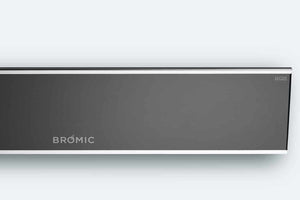
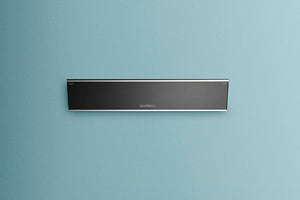
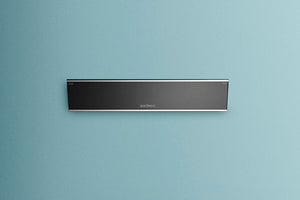
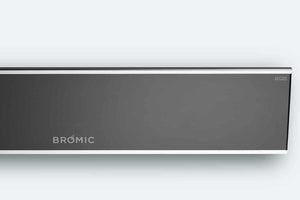
A well-specified electric fireplace installed as a permanent architectural feature does add value to a home - not as a line item on an appraisal, but as a finished design element that shapes buyer perception, room appeal, and the overall sense of quality a home projects. The distinction that matters most is how the fireplace is specified and installed, not simply whether it is electric.
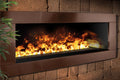
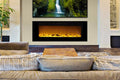
Most people get this wrong: they assume all electric fireplaces contribute equally to a home's value. They do not. A freestanding plug-in unit sitting on a hearth reads as furniture. A built-in linear fireplace recessed into a feature wall, framed with stone or millwork, and integrated into the room's architecture reads as infrastructure - and that is the version buyers and appraisers respond to.
Does Installing an Electric Fireplace Actually Increase Resale Value?
The honest answer is that electric fireplaces do not carry a universally agreed dollar figure for resale value the way a kitchen renovation might. What they do contribute is measurable in buyer behavior: homes with a premium fireplace as a luxury focal point attract more interest, photograph better, and tend to hold their asking price more firmly in competitive markets.
The mechanism is perception, not appraisal math. A fireplace - gas, wood, or electric - signals that a home is finished and considered. A premium electric fireplace with a realistic flame effect and a clean architectural surround signals that the homeowner invested in quality rather than convenience. That distinction matters to buyers who are already comparing similar homes at similar price points.
For homeowners doing renovations or new builds, the value case is strongest when the fireplace is specified as a permanent feature rather than an afterthought. Premium electric fireplaces designed for new construction and retrofit applications integrate cleanly into wall assemblies and deliver the modern linear aesthetic that aligns with current buyer preferences in the medium-to-high-end market.
How Does an Electric Fireplace Compare to Gas for Home Value?
This is the comparison most homeowners are actually trying to resolve. The traditional assumption is that gas fireplaces add more value because they are perceived as more "real." That assumption is increasingly outdated.
| Factor | Gas Fireplace | Premium Electric Fireplace |
|---|---|---|
| Installation complexity | Requires gas line, venting, permits | No gas line needed, no venting required |
| Ongoing maintenance | Annual service, pilot light, chimney | Low-maintenance, minimal service |
| Buyer perception (luxury market) | Established premium signal | Modern, clean, increasingly preferred |
| Design flexibility | Limited by venting and gas line location | Flexible placement, clean installation environment |
| Operating cost predictability | Variable with gas prices | Predictable operating cost |
| Code and multi-family applicability | Restricted in many condo/multi-family buildings | Safe for multi-family applications |
In the luxury renovation and new construction market, the gap between gas and premium electric has narrowed significantly - and in multi-family, condo, and modern minimalist builds, electric is often the stronger choice precisely because it reduces install complexity and eliminates the variables that make gas a liability.
For context on gas vs electric fireplace cost at the installation stage, the difference can be substantial when you factor in gas line runs, venting, and permit requirements - costs that electric avoids entirely.
What Type of Electric Fireplace Contributes Most to Home Value?
Not every electric fireplace is specified for the same outcome. The version that contributes to perceived home value is a permanently installed unit that becomes part of the home's infrastructure - not a portable or surface-only product.
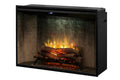
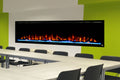
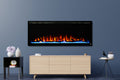
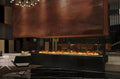
Built-in linear fireplaces recessed into a wall assembly are the strongest choice for resale appeal. They read as architectural, they photograph well for listings, and they align with the design language buyers expect in renovated or newly built homes above a certain price point.
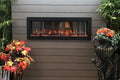
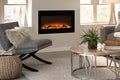
Wall-mounted units on a finished wall surface occupy a middle ground. A quality wall-mounted electric fireplace installed with a proper surround or feature wall treatment contributes meaningfully to visual impact. Mounted without any framing context, it reads more like an appliance than a design feature.
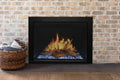
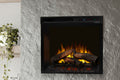
Electric fireplace inserts used to convert an existing wood or gas fireplace opening carry a specific kind of value: they transform a non-functional or liability-prone legacy fireplace into a working, attractive focal point. One customer who had a gas-burning brick fireplace from the 1970s that sat unused for years described the result after converting to an electric model: "We couldn't be more pleased with this beautiful addition to our home. I really can't believe how much we love it - we have used it every day since it was installed. It is so well built, and has several settings we adjust for flame speed, flame color, media color, crackle sound, timer, and more."
That transformation - from unused eyesore to daily-use feature - is a concrete value contribution, regardless of what an appraiser formally assigns to it.
If you are working with an existing opening, the convert existing fireplace to electric path is often the most cost-effective way to add a premium focal point without structural changes. For a detailed walkthrough of that process, the guide on how to convert wood or gas fireplace to electric insert covers what is actually involved.
Does Flame Realism Affect How Buyers Perceive the Fireplace?
It does, more than most homeowners expect. A fireplace that looks unconvincing in person - or worse, in listing photos - does not contribute to perceived value. A fireplace with a genuinely realistic flame effect becomes the kind of feature buyers mention when they walk through.
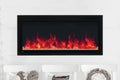
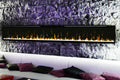
The flame technology in premium electric fireplaces has advanced considerably. Multi-layer 3D flame systems, realistic log and ember media, and adjustable color and intensity settings produce an effect that reads as high-end even to buyers who are not specifically looking for an electric fireplace. The question of whether premium electric fireplaces look real in luxury homes is one we get regularly - and the answer from owners who have installed them is consistently that the visual impact exceeds expectations.
One owner described their 55-inch unit: "We love the realistic looking embers, flame, logs and color it provides. Has many color options, however we prefer the traditional look. Remote control is wonderful. Very pleased and happy we purchased it for our home."
That kind of owner satisfaction directly shapes how a home presents to buyers. A fireplace that the current owners actively use and enjoy is one that photographs with warmth and reads as a genuine home feature rather than a staging prop.
What Makes the Difference Between a Value-Adding and a Value-Neutral Installation?
The product is only part of the equation. At Electric Fireplaces Depot, the pattern we see repeatedly is that the installation environment determines whether a fireplace reads as a luxury focal point or as an appliance. Here is what typically separates the two outcomes:
Enclosure and surround quality. A premium fireplace set into a well-designed feature wall - stone, tile, shiplap, or millwork - anchors the room. The same fireplace mounted to a bare drywall surface without context loses most of its architectural impact.
Correct sizing for the wall and room. A fireplace that is undersized for its wall reads as an afterthought. Specifying the right width relative to the room and the wall is one of the most common areas where homeowners make a costly mistake.
Permanent versus portable installation. A properly specified and installed electric fireplace becomes part of the home's permanent infrastructure. That is the version that supports its contribution to resale appeal. A portable unit does not.
For homeowners who want guidance on advice on choosing electric fireplace specifications before committing to a design, getting the sizing and placement right at the planning stage avoids the most common installation regrets.
Is 2026 a Good Time to Add an Electric Fireplace for Resale?
In 2026, the design market is strongly aligned with what premium electric fireplaces deliver: clean lines, no visible infrastructure, and a modern aesthetic that works in both contemporary and transitional interiors. Buyer preferences in the medium-to-high-end market have shifted toward low-maintenance finishes and simplified home systems - and a no-venting, no-gas-line fireplace fits that preference directly.
The availability of European Electric Fireplaces with sophisticated flame technology and architectural proportions has also raised the ceiling on what premium electric looks like. Buyers who previously associated electric fireplaces with entry-level products are encountering installations that are genuinely difficult to distinguish from high-end gas at a glance.
When Does an Electric Fireplace Add Real Value?
A premium electric fireplace contributes to a home's value when it is specified correctly, installed as a permanent architectural feature, and designed to create the kind of luxury focal point that buyers recognize as a finished, considered design decision. The fireplace itself needs to be the right product for the space - realistic flame, appropriate scale, quality construction - and the installation environment needs to support it.
The Electric Fireplaces Depot collection of built-in and wall-mount fireplaces covers the full range of applications for renovations and new construction, with products designed to integrate cleanly into wall assemblies and deliver the visual impact that supports resale appeal.
Checklist
- Specify a permanently installed built-in or recessed electric fireplace rather than a portable unit to ensure the fireplace reads as part of the home's infrastructure.
- Size the fireplace correctly for the wall and room - an undersized unit loses most of its architectural impact and does not photograph well for listings.
- Plan the surround and feature wall treatment before purchasing; stone, tile, millwork, or shiplap framing is what elevates the fireplace from appliance to luxury focal point.
- If you are converting an existing wood or gas fireplace opening, choose a fireplace insert specified for retrofit applications to achieve a clean, finished result without structural changes.
- Evaluate flame realism before committing - request product photos or video in the actual installation context, not just manufacturer renders, to confirm the visual effect meets the standard buyers expect in your price range.
- Confirm the unit is designed for indoor architectural features and integrates cleanly into your wall assembly to avoid post-install complications that reduce the finished quality of the project.
FAQ
Do electric fireplaces add value to a home the way gas fireplaces do? A premium electric fireplace installed as a built-in architectural feature contributes to perceived home value in a way that is comparable to gas in the current market, particularly in multi-family, condo, and modern new construction where gas is restricted or impractical. The traditional assumption that gas automatically adds more value is based on older buyer preferences and does not reflect how the medium-to-high-end market is responding to premium electric in 2026.
Which type of electric fireplace adds the most value - built-in, wall-mounted, or insert? Built-in linear fireplaces recessed into a wall assembly carry the strongest value contribution because they integrate into the home's permanent infrastructure and read as an architectural feature rather than an appliance. Wall-mounted units contribute meaningfully when framed with a proper surround. Inserts are the most effective choice for converting an existing non-functional fireplace opening into a working focal point.
Who decides whether a fireplace adds value - the appraiser or the buyer? In practice, buyers drive the value impact more than appraisers. Appraisers do not assign a universal line-item figure to electric fireplaces, but buyers consistently respond to well-designed fireplace features by showing stronger interest, spending more time in the room, and holding their offers closer to asking price. The value is real; it just operates through perception and competition rather than a formal appraisal category.
How realistic do electric fireplaces look compared to gas in a home listing? Premium electric fireplaces with multi-layer 3D flame systems and realistic log or ember media are genuinely difficult to distinguish from high-end gas in listing photos and in person. The flame has depth, movement, and dimension that reads as high-quality to buyers who are not specifically looking for an electric unit. The key is specifying a premium product - not all electric fireplaces achieve this standard.
What does it cost to install an electric fireplace as a permanent home feature? The cost depends on the fireplace model, the complexity of the enclosure, the surround materials, and whether the installation involves a retrofit of an existing opening or a new wall build-out. Electric avoids the costs associated with gas line runs, venting, and permits, which reduces the total project cost significantly compared to a comparable gas installation. The fireplace unit itself, the surround materials, and any framing or drywall work are the primary cost drivers.
Is an electric fireplace a good investment for a renovation before selling? It depends on the home's price point and the current state of the fireplace situation. If the home has a non-functional or outdated wood or gas fireplace, converting it to a premium electric insert is one of the highest-impact, lowest-complexity renovation moves available. If the home has no fireplace at all, adding a built-in electric in a main living space creates a luxury focal point that differentiates the home in a competitive market - particularly in the medium-to-high-end segment where buyers expect a finished, considered design.
Questions about specifying the right electric fireplace for your renovation or new build? The team at Electric Fireplaces Depot works directly with homeowners, designers, and trade professionals to match the right product to the project - before purchase, not after. Reach out by phone or text at 800-309-2144, or send your project details to sales@electricfireplacesdepot.com and we will recommend the correct unit based on your setup.