1-800-309-2144
Electric fireplaces are growing in popularity because of a combination of factors that go far beyond price: environmental awareness, convenience, safety, design flexibility, easier installation for trade professionals, evolving building codes, and dramatic improvements in technology. Cost matters, but it is rarely the single driver - and in many cases, it is not even the most important one.
That framing comes directly from years of working in this industry, speaking with consumers, designers, builders, and developers, and watching the category grow from the inside. A recent article I came across attributed most of the growth to price. That explanation is incomplete, and it misses what is actually happening.
Is Price Really Why Electric Fireplaces Are Becoming More Popular?
Price is part of the picture, but it does not explain the full shift. Electric fireplaces are often less expensive to purchase, install, and maintain than traditional fireplaces - that is real. But the professionals and homeowners choosing them are frequently doing so for reasons that have nothing to do with cost.
A designer in a warm-weather market is not choosing an electric fireplace because it is less expensive. They are choosing it because a client wants a fireplace in a master bedroom, a bathroom, or a kitchen island - locations where a gas line or chimney is not feasible. A builder in a dense urban development is not switching to electric because of the purchase price. They are switching because local emissions rules or building codes have made gas appliances more difficult to permit.
When you hear the same reasons repeated across different project types, markets, and client profiles, it becomes clear that price is a supporting factor, not the headline.
What Are the Real Reasons Electric Fireplaces Are Growing in Popularity?
Are Homeowners Choosing Electric Fireplaces Because of Environmental Concerns?
More consumers are actively looking for ways to reduce their dependence on fossil fuels and fuel-burning appliances. Electric fireplaces fit naturally into that shift. They do not burn wood or gas inside the home, and they do not produce smoke, ash, or direct emissions at the point of use. For homeowners who are making broader decisions about how their home operates - solar panels, EV charging, energy-efficient systems - an electric fireplace is a consistent choice.
Has the Purpose of the Fireplace Changed?
Historically, fireplaces were functional. They provided heat, light, and sometimes a place to cook. That is no longer their primary role in most homes. Today, most consumers choose a fireplace for ambiance, atmosphere, and design - not heat output. As that purpose has shifted, the technology has shifted with it. An appliance that is chosen primarily for how it looks and feels in a room is a very different product than one chosen for BTUs.
Can an Electric Fireplace Be Used Year-Round?
One of the most underappreciated factors is that electric fireplaces can be used with or without heat. That distinction matters enormously in warmer climates. Many homes in warm-weather states have traditional fireplaces that go unused for most of the year because turning on a fire in the summer is simply not practical. An electric fireplace for visual effect allows homeowners to enjoy the ambiance of a fire on any morning, evening, or season without heating the room. That kind of usability is a bigger selling point for many buyers than any price comparison.
Are Safety Concerns Driving More Buyers Toward Electric Fireplaces?
Consumers with children or pets are increasingly aware of the risks associated with open flames, hot glass, burning logs, and gas lines inside the home. Electric fireplaces eliminate many of those concerns. They do not involve combustion inside the living space, and they do not carry the same risks associated with a real flame. As more consumers research these differences, safety consistently comes up as a deciding factor - particularly for families.
Do Homeowners Choose Electric Fireplaces to Avoid the Hassle of Traditional Maintenance?
There is no ash, soot, chimney maintenance, wood storage, or cleanup involved with an electric fireplace. They are easy to operate and require no fuel storage. For a homeowner who wants the look and feel of a fireplace without the ongoing maintenance that a wood-burning or gas system demands, convenience often outweighs every other consideration.
Why Are Builders and Designers Driving So Much of the Growth?
A significant portion of the growth in electric fireplaces is coming from the trade side - designers, builders, contractors, architects, and developers - not only from end consumers.
Traditional fireplaces may require electric fireplace venting, gas lines, chimneys, fire-rated materials, structural planning, and inspections. Those requirements add cost, complexity, and time to a project. They also limit where a fireplace can go. Most electric fireplaces are nonstructural and do not require traditional venting or combustion systems, which means they can often be framed with conventional materials and finished with drywall, tile, stone, or other decorative surfaces.
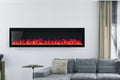
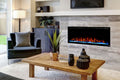
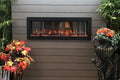
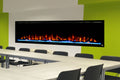
That simplicity helps construction move faster and gives clients more design flexibility. Electric fireplaces can be installed in bedrooms, bathrooms, kitchens, dining areas, offices, and other spaces where a traditional fireplace would be impractical or impossible. Designers can incorporate them into feature walls, room dividers, entertainment centers, islands, and custom architectural installations.
For professionals managing timelines, budgets, and client expectations across multiple projects, that kind of flexibility has real value. One builder noted the product is "being installed in a new construction home" - a straightforward confirmation that electric fireplaces are now a standard consideration in new builds, not just retrofits.
How Have Building Codes and Regulations Shaped the Market?
Government regulations are playing a growing role that often goes unacknowledged in conversations about electric fireplace growth. Some states, cities, and counties have introduced restrictions on wood-burning or gas appliances - particularly in dense urban areas, multifamily buildings, and high-rise developments. Local energy policies, emissions rules, and construction codes can make traditional fireplaces more difficult or more expensive to include in new projects.
This means the growth is not coming only from consumer preference. It is also being shaped by changes in building practices and long-term energy planning. For developers working on fireplaces in condo units or multifamily projects, electric fireplaces are increasingly the practical path forward - not a compromise, but a compliant and often superior solution.
How Has Technology Changed the Electric Fireplace Category?
The improvement in realism over the past decade has been one of the most significant drivers of growth, and it is one that casual observers often underestimate.
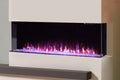
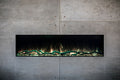
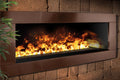
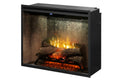
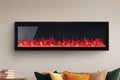
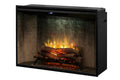
A premium LED fireplace from eight or ten years ago might only be considered a midlevel product today. The industry has moved well beyond simple flame effects. Modern electric fireplaces use advanced LED systems, digital displays, LCD technology, holographic effects, and Water Vapor Fireplace technology to create far more convincing flames, logs, embers, smoke effects, and backgrounds.
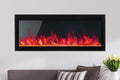
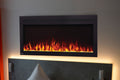
Some models now offer customizable flame colors, media options, sound effects, changing scenes, and smart controls. Many of these features were not even being seriously discussed seven or eight years ago. Today, they are part of the premium electric fireplace experience.
This technological progression also creates a challenge for consumers doing their own research. Many online reviews and buying guides still recommend older LED models as though they represent the current standard. Understanding the difference between what was considered realistic five years ago and what is available today is important for anyone making a purchase decision - and it is one reason that working with a knowledgeable source matters.
The flexibility and visual quality offered by today's premium products often exceed what can be achieved with a traditional fireplace, particularly when design creativity is a priority.
What Does This Mean Going Forward?
The growth of electric fireplaces is not a trend driven by one factor. It reflects a genuine shift in how homeowners think about their living spaces, how trade professionals manage project complexity, and how regulators and builders are planning for energy use in new construction.
Environmental awareness, year-round usability, safety, installation simplicity, design flexibility, evolving building codes, and rapid technology improvements are all contributing. Cost plays a role, but it is one factor among many - and in a growing number of cases, it is not the deciding one.
That growth will continue as the technology improves, consumer awareness increases, and the products become more realistic, flexible, and useful. For trade professionals evaluating their options, the Electric Fireplaces Depot trade professional electric fireplace solutions page is a practical starting point for understanding what the current product landscape actually looks like.
Checklist
- Evaluate the full picture before recommending a fireplace type. Ask clients about usability priorities - year-round ambiance, safety concerns, installation constraints - not just budget.
- Check local building codes early in the project. Restrictions on wood-burning or gas appliances in urban areas, multifamily buildings, or high-rise developments can narrow options before design even begins.
- Review technology recency when sourcing product information. Online reviews and buying guides often reference older LED models; confirm that any recommendation reflects current technology, not what was considered premium a decade ago.
- Consider placement flexibility as a design asset. Electric fireplaces can go in bedrooms, bathrooms, kitchens, and other spaces where traditional fireplaces are impractical - use that range in your design proposals.
- For trade professionals sourcing electric fireplaces for new construction or renovation projects, confirm that the product is specified and ordered with enough lead time to align with framing and finish schedules.
- Match the technology to the client's environment. A homeowner in a warm climate has different priorities than one in a colder region - usability without heat output may be the primary value proposition.
FAQ
Why are electric fireplaces becoming more popular now? Electric fireplaces are growing in popularity because of a combination of factors: increasing environmental awareness, year-round usability without heat output, improved safety, easier installation for builders and designers, evolving building codes that restrict gas and wood-burning appliances, and major advances in flame realism technology. Price is a contributing factor, but it is rarely the primary driver.
Can electric fireplaces be used in warm climates where heat is not needed? Yes. Most electric fireplaces can be operated with or without the heating function, which makes them practical in warm-weather climates where a traditional fire would be uncomfortable. Homeowners in warm states can enjoy the visual ambiance of a fire year-round without raising the temperature in the room.
Are electric fireplaces easier to install than gas fireplaces? Yes. Most electric fireplaces are nonstructural and do not require traditional venting, gas lines, chimneys, or combustion systems. They can often be framed with conventional materials and finished with drywall, tile, or stone. This simplicity reduces project time and gives designers and builders more flexibility about where a fireplace can be placed.
How realistic are modern electric fireplaces compared to older models? Significantly more realistic. A premium LED fireplace from eight or ten years ago would likely be considered a midlevel product by today's standards. Modern electric fireplaces use advanced LED systems, LCD technology, holographic effects, and water vapor technology to produce far more convincing flames, embers, smoke effects, and media backgrounds. The category has advanced substantially in a short period.
Are building codes affecting the choice between electric and gas fireplaces? Yes, in a growing number of markets. Some states, cities, and counties have introduced restrictions on wood-burning or gas appliances, particularly in dense urban areas, multifamily buildings, and high-rise developments. These regulations are pushing builders and developers toward electric fireplaces not just as a preference, but as a code-compliant requirement.
Do electric fireplaces require ongoing maintenance? Electric fireplaces require no ash removal, chimney cleaning, soot management, wood storage, or gas line servicing. There is no combustion involved, so the maintenance demands are minimal compared to traditional wood-burning or gas fireplaces. For homeowners who want the look and feel of a fireplace without the upkeep, this is often a significant advantage.
Is the growth of electric fireplaces just a passing trend? The evidence suggests it is not. The growth is being driven by structural factors - regulatory changes, technology improvements, shifts in how consumers use and think about fireplaces, and the practical needs of trade professionals - not by a single short-term preference. As the technology continues to improve and awareness increases, the category is positioned to keep growing.
If you are a trade professional evaluating electric fireplaces for an upcoming project and want guidance on current products, technology options, or project-specific questions, reach out directly. You can call or text Electric Fireplaces Depot at 800-309-2144 or email the trade team at pro@electricfireplacesdepot.com.