1-800-309-2144

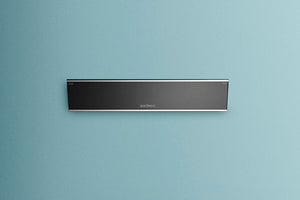
A linear electric fireplace is a wide, horizontal-format unit designed to function as an architectural feature rather than a traditional firebox. When you need a modern linear aesthetic, a long horizontal flame bed, or a client-facing visual impact feature in a contemporary interior, a linear electric fireplace is the correct specification. It eliminates the venting, gas line, and framing complications that come with gas linear alternatives, which makes it the practical choice for most new construction and retrofit applications where the goal is ambiance and design impact.
What Exactly Is a Linear Electric Fireplace?
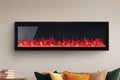
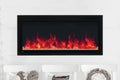
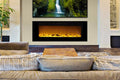
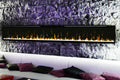
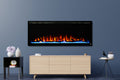
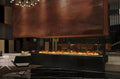
A linear electric fireplace is defined by its wide, shallow, horizontal opening - typically far wider than it is tall. Where a traditional firebox is roughly square, a linear unit stretches across the wall, creating a ribbon or panoramic flame effect that reads as a deliberate architectural element rather than a conventional heating appliance.
The flame bed runs the full width of the unit, which is what gives a linear fireplace its signature look: a continuous horizontal glow rather than a centered focal point. This format is why linear electric fireplaces are specified for modern, transitional, and contemporary interiors where clean lines and horizontal geometry define the space.
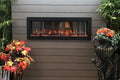
Linear electric fireplaces are available in both built-in and wall-mounted configurations, making them suitable for new construction framing as well as retrofit wall assemblies. They require no venting and no gas line, which reduces install complexity significantly compared to gas linear alternatives and shortens install time on the job site. If you are comparing fireplace types for a project and want a broader framework, which type of electric fireplace is actually right for my project covers the full decision matrix.
When Should Architects and Designers Specify a Linear Electric Fireplace?
Specify a linear electric fireplace when the design intent calls for a modern linear aesthetic, when the wall layout demands a horizontal focal point, or when a client needs visual impact without the infrastructure of a gas system.
Three situations come up repeatedly in trade work:
The design is contemporary or transitional. Linear format fireplaces fit clean-line architecture. A traditional arched firebox looks out of place in a room built around horizontal planes, floating millwork, and minimal trim. A linear unit fits that geometry without forcing a compromise.
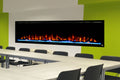
The fireplace is primarily a visual feature, not a heat source. Most linear electric fireplaces can operate with the flame effect only, no heat output required. When a client wants the atmosphere of a fireplace in a space that is already climate-controlled - a hotel lobby, a primary bedroom, a dining room - specifying a unit for visual effect only is a legitimate and increasingly common choice. The article on electric fireplace for visual effect covers this scenario in detail.
The project cannot accommodate gas infrastructure. Multi-family buildings, high-rise residential, and commercial interiors often have restrictions on gas appliances. Linear electric fireplaces are safe for multi-family applications, code-compliant in most jurisdictions, and integrate cleanly into most wall assemblies without the inspection and permitting burden a gas line creates.
How Do Linear Electric Fireplaces Compare to Gas Linear Units?
The comparison between linear electric and gas linear fireplaces comes down to infrastructure, installation complexity, and operating environment - not just aesthetics.
| Factor | Linear Electric | Gas Linear |
|---|---|---|
| Venting required | No | Yes - direct vent or vented chase |
| Gas line required | No | Yes |
| Multi-family approved | Generally yes | Often restricted |
| Flame with no heat | Yes - standard feature | Not available on most units |
| Install complexity | Low | High |
| Ongoing maintenance | Minimal | Annual service recommended |
| Retrofit flexibility | High | Limited by venting path |
The key takeaway: for projects where the fireplace is an architectural feature rather than a primary heat source, linear electric removes every infrastructure dependency that gas linear requires, without giving up the visual result.
For projects where a client is replacing an existing gas system, the article on replace gas fireplace with electric walks through the trade-offs in detail.
What Does a Linear Electric Fireplace Cost to Specify?
Cost for a linear electric fireplace varies based on format (wall-mounted vs. built-in), flame technology, width, and brand tier. The factors that drive price up are larger viewing areas, more sophisticated flame rendering, premium frame finishes, and European luxury manufacturing.
What drives cost down relative to gas linear is the absence of infrastructure: no gas line rough-in, no venting chase, no combustion air calculation, no annual service contract. On a multi-unit project, those eliminated line items add up across every unit in the building.
For trade professionals specifying across multiple units, trade pricing electric fireplaces covers how volume pricing works and what to ask before committing to a spec.
The honest framing on cost: the unit price of a premium linear electric fireplace may be comparable to or higher than a standard gas linear insert, but the total installed cost - including labor, materials, and permitting - typically favors electric, especially on projects with multiple fireplaces or restricted venting paths.
What Makes a Linear Electric Fireplace Worth Specifying for Luxury Projects?
The question of whether a linear electric fireplace belongs in a premium interior comes up regularly, and the answer has changed substantially as the technology has matured. Today's premium linear electric units - particularly European luxury brands - produce flame effects that hold up in high-end residential and hospitality environments.
One designer who worked with Electric Fireplaces Depot put it directly: "We had a great experience with Electric Fireplaces Depot. Their team prioritized customer service and offered helpful guidance in selecting the right fireplace for our client. The final result turned out beautifully!"
For luxury custom builds, the spec decision is not just about the flame - it is about the frame finish, the viewing area dimensions, the depth of the firebox, and whether the unit can be integrated flush into a feature wall without visible mechanical intrusion. Electric Fireplaces Depot carries linear electric fireplaces from exclusive European luxury brands not available elsewhere online, and the spec support process is designed to match the right unit to the wall assembly before anything gets ordered.
If the project is a high-end custom build and the standard for what qualifies as premium matters, premium electric fireplaces for luxury custom homes covers the specific criteria that separate a credible luxury specification from one that underdelivers on site.
How Should You Specify a Linear Electric Fireplace Correctly?
The product is only part of the equation. A linear electric fireplace specified without attention to the wall assembly, the rough opening dimensions, and the electrical supply creates problems after install that are entirely avoidable.
Before finalizing a spec, confirm:
- The rough opening width and height match the unit's built-in clearances, not just the viewing area
- The electrical circuit meets the unit's amperage requirements - most linear units need a dedicated circuit
- The wall depth accommodates the unit's chassis depth without interfering with framing or insulation
- The finish and frame selection is confirmed before rough-in, since changes after framing are costly
- The installation environment is clean and dry - linear electric units are designed for indoor architectural features, not dusty construction-phase conditions
The Electric Fireplaces Depot trade professional resource on spec electric fireplaces for designers covers how to avoid the most common installation problems seen across real projects.
Is a Linear Electric Fireplace the Right Specification for This Project?
A linear electric fireplace is the correct specification when the design calls for a wide horizontal flame, the project cannot support gas infrastructure, or the client needs a luxury focal point without combustion. It is available in built-in and wall-mounted configurations, requires no venting and no gas line, and is safe for multi-family applications. The right unit, specified correctly for the wall assembly, delivers a clean installation with minimal long-term maintenance.
If you are in the middle of a spec decision and want to confirm the right unit for your wall assembly, the Electric Fireplaces Depot Linear Electric Fireplaces collection is the place to start.
Reach out directly to discuss the project: call or text 800-309-2144, or email pro@electricfireplacesdepot.com. Share the project details - new build or retrofit, wall dimensions, and whether the fireplace is a visual feature or supplemental heat - and the right unit gets identified before anything is ordered.
Checklist
- Confirm the design intent first: is the fireplace a visual feature, a supplemental heat source, or both? This determines which linear format and flame technology to specify.
- Verify rough opening dimensions - width, height, and wall depth - before selecting a unit. Linear electric fireplaces for architects and designers require chassis depth clearance, not just viewing area fit.
- Confirm a dedicated electrical circuit is available or planned at the fireplace location before rough-in is complete.
- If the project is multi-family or commercial, confirm the unit is code-compliant for the building type - linear electric fireplaces are generally approved where gas units face restrictions.
- Request trade pricing before finalizing the spec on multi-unit projects; volume pricing changes the total installed cost calculation.
- Do not install during active construction phases - linear electric units are designed for clean indoor architectural environments, not dusty job sites.
FAQ
What does "linear" mean in a linear electric fireplace? Linear refers to the wide, horizontal format of the firebox opening - much wider than it is tall, creating a ribbon or panoramic flame bed. This distinguishes a linear fireplace from a traditional square or portrait-format firebox and is what gives it its modern architectural character.
Who should specify a linear electric fireplace instead of a traditional format? Architects and interior designers working on contemporary, transitional, or minimalist interiors typically specify linear units when the room's geometry is built around horizontal planes and clean lines. They are also specified by builders and developers for multi-family and commercial projects where gas infrastructure is restricted or impractical.
Which configuration is better for new construction - built-in or wall-mounted linear electric? Built-in linear electric fireplaces are generally preferred for new construction because the wall assembly can be framed to the unit's exact rough opening dimensions, producing a flush, integrated result. Wall-mounted configurations work well for retrofit applications where opening up the wall is not practical. Both configurations require no venting and no gas line.
Do linear electric fireplaces require any special installation beyond a standard electrical outlet? Most linear electric fireplaces require a dedicated electrical circuit rather than a standard shared outlet, particularly at larger widths. The circuit amperage requirement varies by unit. Beyond the electrical supply, installation involves correct rough opening dimensions, adequate wall depth for the chassis, and a clean, dry installation environment. No venting, no gas line, and no combustion air calculation is required.
Are linear electric fireplaces realistic enough for luxury residential projects? Premium linear electric fireplaces - particularly European luxury brands - produce flame effects credible in high-end residential and hospitality environments. The realism depends heavily on the specific unit and brand tier, not the format category. Electric Fireplaces Depot carries exclusive European luxury brands not available elsewhere online, specifically for trade professionals specifying into premium interiors.
What is the real cost difference between a linear electric and a gas linear fireplace for a multi-unit project? The unit price of a premium linear electric fireplace may be comparable to a gas linear insert, but the total installed cost typically favors electric on multi-unit projects. Gas linear units require a gas line rough-in, a vented chase, combustion air provisions, and annual service. Linear electric units eliminate all of those line items. Across ten or more units, that difference is material.
Can a linear electric fireplace run with flame effect only and no heat output? Yes. Most linear electric fireplaces allow the flame effect to operate independently of the heating function. This is a standard feature, not an add-on. It makes linear electric units practical for climate-controlled spaces - hotel lobbies, primary bedrooms, dining rooms - where heat output is unwanted but the visual impact of a fireplace is part of the design intent.