1-800-309-2144
You're probably here because electric fireplaces keep coming up in your renovation research, and something feels too good to be true. No venting, no gas lines, no chimney cleaning, plug-and-play installation—it sounds convenient, but you're wondering what's the catch. Why isn't everyone ditching their wood and gas fireplaces if electric is so much simpler?
Here's the honest answer: there are real trade-offs. But whether they matter to you depends entirely on what you actually want from your fireplace and where you are in life. Let me walk you through what you genuinely lose and gain, so you can make this decision with your eyes wide open.
You Lose the Authentic Experience (But Gain Convenience)
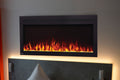
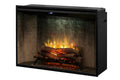
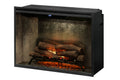
Let's start with what most people miss most: electric fireplaces don't produce real flames or real heat from combustion. Even the best electric units with realistic flame effects are simulating fire, not creating it. If you're someone who loves the ritual of building a fire, the smell of burning wood, or the crackling sounds, electric won't deliver that authentic experience.
Here's what most people get wrong though—they assume this matters equally to everyone. In reality, many homeowners discover they rarely used their wood fireplace anyway. The hassle of buying wood, cleaning up ash, dealing with smoke, and maintaining the chimney meant their "cozy" fireplace sat cold most of the winter.
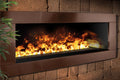
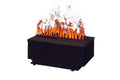
Water vapor fireplaces deliver the most realistic flame effect available without combustion, using LED lights and water mist to create incredibly convincing flames. But even these premium units are creating an illusion, not actual fire. The question becomes: do you want authentic fire badly enough to deal with all the maintenance and limitations that come with it?
For trade professionals, this is often where the conversation gets practical. Many clients think they want a real fire until they understand the ongoing costs, maintenance requirements, and installation complexity. Electric units are ideal for projects requiring simplicity, reliability, and zero venting—they integrate cleanly into most wall assemblies and require minimal maintenance.
You Sacrifice Some Heating Power (But Gain Predictable Operating Costs)
Most electric fireplaces max out around 5,000 BTUs, which will warm a medium-sized room but won't heat your entire house like a powerful gas fireplace might. If you need serious supplemental heating, electric may not be your primary solution.
However, this limitation often matters less than people expect. Many homeowners install fireplaces primarily as architectural features or luxury focal points, with heating as a secondary benefit. Electric fireplaces excel in this role—they provide visual ambiance on demand without the complications of combustion.
The heating trade-off also comes with a significant advantage: predictable operating costs. You know exactly what you're paying because it shows up on your electric bill. No surprise propane deliveries, no wood purchasing, no chimney cleaning bills. For many homeowners, especially those in milder climates, this predictability outweighs the heating limitations.
We've worked on thousands of installs, and most clients who prioritize heating end up pairing electric fireplaces with their existing HVAC system rather than expecting the fireplace to be their primary heat source.
Installation Limitations Exist (But So Do Major Advantages)
Electric fireplaces aren't completely limitation-free. Higher-end units, especially water vapor models, require proper enclosure preparation and airflow control to perform correctly. We've seen the same installation mistakes repeatedly—dust exposure, poor enclosure sealing, and cross drafts can affect performance.
However, these requirements pale in comparison to wood or gas installation complexity. No venting required, no gas line needed, no framing complications for chimney runs. For new construction and retrofit projects, this dramatically reduces install complexity and shortens install time.
The product is only 50% of success—the install environment is the other 50%. Water vapor units perform exceptionally well when installed correctly, and we guide that process step-by-step. Most installation issues we see come from enclosure prep and airflow, not the units themselves.
For builders and designers, electric fireplaces are often the practical choice because they're safe for multi-family applications, create a clean installation environment, and reduce post-install service calls. They scale across multiple units and projects without the permitting and inspection requirements of gas units.
The Real Question: What Do You Actually Want?
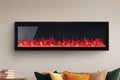
The "catch" with electric fireplaces isn't hidden—it's just that the limitations matter differently to different people. If you're someone who genuinely loves building fires and doesn't mind the maintenance, wood or gas might be worth the extra complexity. If you want a modern linear aesthetic that provides ambiance on demand without ongoing hassle, electric makes perfect sense.
Here's what typically causes people to choose electric: they realize they value convenience over authenticity, they're tired of maintenance, or they're in a space where venting isn't practical. The decision often comes down to life stage and priorities rather than product limitations.
We help homeowners and trade professionals work through this decision by asking the right questions upfront: What's the intended use—visual feature or supplemental heat? Are you building from scratch or retrofitting? Who's making the final specification decision? Based on your specific situation, we can recommend whether electric, gas, or wood makes the most sense.
Making the Decision That's Right for Your Project
The truth about electric fireplaces is that they're not perfect for everyone, but they solve real problems for many homeowners. You give up some authenticity and heating power, but you gain convenience, predictability, and installation flexibility. Whether that trade-off makes sense depends on your specific needs and priorities.
If you're still weighing your options, the best approach is to be honest about how you actually live and what you really want from your fireplace. Do you want the ritual of fire, or do you want the ambiance of fire? Do you need serious heating, or do you want a beautiful focal point? Are you willing to deal with ongoing maintenance, or do you prefer set-and-forget convenience?
If you'd like to talk through your specific project and get a recommendation based on your actual needs rather than generic advice, we're here to help. At Electric Fireplaces Depot, we spec fireplaces correctly so you don't have problems after installation, whether that means electric, or pointing you toward a different solution entirely. Give us a call at 800-309-2144 or email Pro@electricfireplacesdepot.com to discuss what makes sense for your situation.