1-800-309-2144

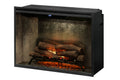
For a new build great room focal point in 2026, electric fireplaces deliver the strongest combination of visual impact, design flexibility, and installation simplicity — no venting, no gas line, no combustion byproducts, and no compromise on aesthetics. Gas fireplaces offer real flame but add significant infrastructure cost and code requirements. Wood-burning units create the most authentic experience but carry the highest installation complexity, maintenance burden, and increasing air quality restrictions. For most new construction great rooms, the decision comes down to how much of your budget and timeline you want to spend on infrastructure versus design.
The great room fireplace is not just a heating appliance. It is the architectural anchor of the entire space. Getting this decision wrong — choosing a fuel type that fights your design vision, blows the construction budget on venting, or creates maintenance headaches for years — is one of the most common regrets in high-end new builds. Here is a clear breakdown of what each option actually delivers.
What Does Each Fireplace Type Look Like as a Great Room Feature?
Visual impact is where the comparison begins, because in a great room, the fireplace is seen before it is felt.
Wood-burning fireplaces deliver the most primal, authentic flame — crackling logs, natural ember glow, and real smoke. For some homeowners, nothing else compares. But wood fireplaces are constrained by the firebox shape and the need for a visible hearth and surround, which limits the modern linear aesthetic that dominates current great room design trends.
Gas fireplaces have evolved significantly. Direct-vent linear gas units can achieve a sleek, wide flame presentation that reads as a genuine architectural feature. The flame is real, the glow is warm, and the visual effect is strong. The limitation is that the flame pattern is largely fixed — you get what the burner produces, and customization beyond that is minimal.
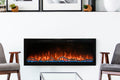
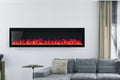
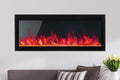
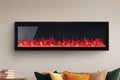
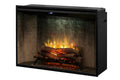
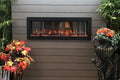
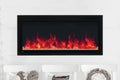
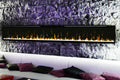
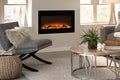
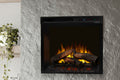
Electric fireplaces have closed the visual gap more than most people realize. Modern linear electric units — particularly wide-format models like the Modern Flames Landscape Pro Slim 80 — produce flame effects that stop guests mid-sentence. One customer who purchased that exact unit shared: "This fireplace is downright beautiful, everyone who has seen it says it is gorgeous, even the installers talked about how impressed they were and how nice it is." Electric units also offer adjustable flame color, brightness, and speed, giving designers and homeowners precise control over the visual output to match the room's mood and lighting.
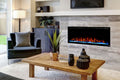
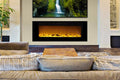
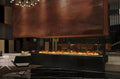
The electric advantage in a great room specifically: linear formats from 60 to 100+ inches are readily available, they integrate cleanly into most wall assemblies, and they function as a pure architectural feature without requiring a raised hearth or chase.
How Does Installation Complexity Compare in New Construction?
This is where the decision becomes financial and logistical, not just aesthetic.
| Fireplace Type | Venting Required | Gas Line Required | Framing Complexity | Typical Install Complexity |
|---|---|---|---|---|
| Wood-burning | Yes — full masonry or prefab chase | No | High — chase, hearth, clearances | Highest |
| Gas (direct-vent) | Yes — dual-wall vent to exterior | Yes | Moderate to high | High |
| Electric | No | No | Low — standard wall framing | Lowest |
Wood-burning fireplaces require a full masonry or factory-built chimney system, hearth construction, ash management infrastructure, and clearances that constrain where the unit can be placed in the room. In a great room with an open floor plan, routing a chimney chase often means structural decisions that affect the entire build.
Gas fireplaces require a dedicated gas line run to the firebox location and a direct-vent system that must terminate at an exterior wall or roof. In a great room that sits away from an exterior wall — a common layout in open-plan new builds — that gas line and vent run adds cost and coordination between trades.
Electric fireplaces require no venting and no gas line. The enclosure is standard framed construction, and the unit connects to a dedicated electrical circuit. That eliminates two entire trade coordination points from the critical path of your build. For builders managing tight delivery timelines, this reduction in install complexity is meaningful. For homeowners managing a new build budget, it redirects money from infrastructure to design.
Installation guidance is provided to ensure proper enclosure preparation — the enclosure dimensions and clearances specified by the manufacturer must be followed, and Electric Fireplaces Depot works directly with manufacturers to make sure buyers have that information before framing begins.
What Are the Long-Term Maintenance Differences?
A great room fireplace gets used. Maintenance is not a minor consideration — it is a multi-year cost and inconvenience factor.
Wood-burning requires the most ongoing attention: annual chimney cleaning and inspection, creosote management, ash removal after every use, and periodic damper and firebox maintenance. Air quality regulations in many regions are also restricting wood-burning use, particularly during high-pollution advisories. One customer who faced exactly this situation — a floor-to-ceiling wood-burning fireplace where air quality standards made burning natural logs difficult — ultimately converted to electric inserts and reported: "This unit is cost effective, convenient, clean, safe and perfect for our application and lifestyle needs."
Gas fireplaces require annual service by a licensed technician to inspect the burner, ignition system, and venting. The gas line itself requires periodic inspection. If the unit develops a fault, repair typically requires a qualified gas technician, not a general handyman.
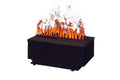
Electric fireplaces have minimal maintenance requirements. There are no combustion byproducts, no flue to clean, no gas valves to service. The LED flame components are rated for long operational life. Periodic dusting of the unit is the primary upkeep task. For a great room fireplace that may run for ambiance daily, that predictable operating cost and near-zero service burden is a practical long-term advantage.
Which Fireplace Is the Right Choice for a New Build Great Room?
For most new construction great rooms where the fireplace serves as a luxury focal point and architectural feature, electric is the option that delivers premium aesthetics with the cleanest install and the most design flexibility.
The right choice depends on three things: what the homeowner wants the fireplace to do, what the construction layout allows, and how much of the budget should go to infrastructure versus design impact.
If authentic combustion is non-negotiable and the budget and layout support a full gas or wood installation, those are legitimate choices with strong visual results. Gas linear fireplaces in particular can deliver impressive great room presence when properly specified.
But if the goal is a stunning architectural feature with maximum design flexibility, no venting complications, no gas line coordination, and predictable long-term maintenance — electric is the clear answer. The product category has matured to the point where the visual gap between electric and gas has effectively closed for most observers in a real room setting.
For new construction specifically, electric units are designed for new construction and retrofit applications, integrate cleanly into most wall assemblies, and reduce post-install service calls — which matters both during the build and for years afterward.
The premium electric fireplaces collection at Electric Fireplaces Depot is specifically curated for new construction applications where visual impact and installation reliability are both required.
Checklist
- Confirm your great room layout before committing to a fuel type — gas and wood require exterior vent access, which constrains placement in open-plan designs.
- Identify who is making the final specification decision — builder, designer, or homeowner — and make sure enclosure dimensions are confirmed before framing begins.
- Ask your builder for the rough-in dimensions and wall depth available at the fireplace location; electric units require standard framing and a dedicated circuit, which is simpler to coordinate than gas or chimney rough-ins.
- For new build homeowners comparing gas vs. electric for a great room focal point, request flame effect samples or showroom visits before finalizing — modern electric flame technology reads very differently in person than in product photos.
- Confirm local air quality regulations if wood-burning is under consideration; many jurisdictions restrict burn days, which directly affects how often the fireplace can be used.
- Review manufacturer installation guidelines for your selected unit with your contractor before the enclosure is framed — getting the enclosure right the first time eliminates the most common post-install issues.
FAQ
Can an electric fireplace really look as impressive as a gas fireplace in a large great room? Modern linear electric fireplaces in wide formats — 60 to 100+ inches — produce flame effects that function as genuine architectural features in large great rooms. The flame depth, color range, and ambient glow of current electric units have closed the visual gap with gas to the point where most guests cannot identify the fuel type from across the room. The key is selecting a unit sized and specified for the wall it occupies.
Do I need to frame anything special for an electric fireplace in a new build? Electric fireplaces require standard framed construction built to the manufacturer's specified enclosure dimensions and clearances. There is no chimney chase, no vent termination, and no gas line rough-in required. A dedicated electrical circuit is needed, which your electrician coordinates during rough-in — a significantly simpler trade coordination than gas or wood alternatives.
What are the real ongoing costs of a gas fireplace versus an electric fireplace? Gas fireplaces require annual professional service inspections, periodic burner and ignition maintenance, and gas line upkeep — costs that accumulate over the life of the home. Electric fireplaces have predictable operating costs tied to electricity consumption and minimal maintenance requirements beyond periodic dusting, with no combustion system to service.
Why do air quality regulations matter when choosing a wood-burning fireplace for a new build? Many regions restrict wood-burning fireplace use during high air quality advisory days, which can prevent homeowners from using a wood fireplace on the days they most want to — cold, atmospheric evenings when a fire would be most appealing. These restrictions vary by region and are worth confirming before specifying a wood-burning unit in a new build.
Is a gas fireplace or electric fireplace better for a modern linear great room aesthetic? Both gas and electric fireplaces are available in modern linear formats suited to great room architectural features. Electric units offer more flexibility in width, flame customization, and placement because they are not constrained by vent routing or gas line location. For a design-forward great room where the fireplace is the focal point, electric linear units provide the most design freedom.
How wide can an electric fireplace be for a great room feature wall? Wide-format electric fireplaces are available in sizes from approximately 50 inches to over 100 inches, making them well-suited to great room feature walls where scale matters. The specific available widths depend on the manufacturer and model line — Electric Fireplaces Depot carries multiple manufacturers with wide-format options designed for exactly this application.
What should I tell my builder about the fireplace rough-in before framing starts? Before framing begins, provide your builder with the manufacturer's installation guidelines for your selected unit, including the exact enclosure dimensions, minimum clearances, and electrical requirements. Electric Fireplaces Depot works directly with manufacturers and can provide this documentation before the build reaches that stage — getting the enclosure right at rough-in prevents the most common issues seen in the field.
Choosing the right fireplace for a new build great room is one of those decisions that looks simple on the surface and gets complicated fast once construction timelines, trade coordination, and long-term maintenance enter the picture. If you want to work through the specifics of your project — layout, wall depth, design goals, and which unit would give you the cleanest install with the least long-term maintenance — the team at Electric Fireplaces Depot is ready to help you specify it correctly before framing begins. Call or text 800-309-2144 or reach out at sales@electricfireplacesdepot.com.