1-800-309-2144

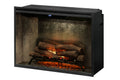
In most cases, no — you do not need to remove your existing fireplace structure to switch to electric. Electric inserts are specifically designed for retrofit applications, meaning they slide into an existing firebox opening without requiring demolition of the surround, mantel, or masonry. For the majority of wood-burning and gas fireplace openings, the structure you already have is an asset, not an obstacle.
That said, the right approach depends on what type of fireplace you currently have, the dimensions of the opening, and what kind of electric unit you want to end up with. This guide walks through the real scenarios — so you can make the decision with clarity instead of anxiety.
What Types of Existing Fireplaces Can Accept an Electric Insert?
Most existing fireplace structures — wood-burning masonry, prefabricated wood-burning units, and gas fireplaces — can accommodate an electric insert without structural removal. The key variable is the firebox opening dimensions and depth.
Wood-burning masonry fireplaces are the most common conversion candidate. The firebox is typically deep and wide, which gives you flexibility in choosing an insert. Electric inserts require no venting and no gas line, so the existing flue and chimney simply go unused — there is nothing to cap, reroute, or demolish unless you choose to.
Prefabricated wood-burning fireplaces (factory-built metal units inside a framed chase) can also accept electric inserts, though the opening dimensions tend to be more standardized. Measuring the width, height, and depth of the firebox before selecting a unit is essential.
Gas fireplaces are slightly more complex. If the gas line is still active, a licensed professional should handle decommissioning before the electric insert is placed. The firebox cavity itself, however, typically remains intact and usable.
The one scenario where full removal may be necessary is a severely damaged firebox, one with structural compromise, or a situation where the homeowner wants a completely different aesthetic that the existing opening cannot support. But that is the exception, not the rule.
What Does an Electric Insert Actually Replace — and What Does It Leave Alone?
An electric insert replaces the combustion element — the fire itself — while leaving the surrounding structure completely intact. The mantel stays. The surround stays. The hearth stays. Even the original firebox cavity stays.
The insert slides into the existing opening and typically connects to a standard household electrical outlet or, in some installations, a dedicated circuit wired by an electrician. One customer who worked with Electric Fireplaces Depot described the process this way after installing an electric insert through an existing brick fireplace into a crawl space: "Delivery was fast, direct wire installation through existing brick fireplace into crawl space by electrician was smooth. It looks good, and heats the room."
This is what makes electric conversion genuinely different from other upgrade paths. Converting to gas requires a gas line and venting work. Keeping wood requires ongoing maintenance, fuel, and in some areas, compliance with air quality restrictions. Electric conversion eliminates combustion entirely and reduces your carbon footprint without requiring you to tear out the architectural investment you already have.
The insert does the visual and thermal work. The existing structure provides the frame.
What Are the Real-World Scenarios Where Electric Inserts Work Exceptionally Well?
The range of applications is broader than most homeowners expect. Here are the scenarios that come up most often:
Two-Sided or Through-Fireplace Openings
One of the more creative applications involves fireplaces that open on two sides — a configuration common in homes where the fireplace sits between a living room and a dining area, or in the center of an open floor plan. A customer with exactly this setup — a wood-burning, floor-to-ceiling, two-way fireplace — faced a real problem: air quality standards in their area made burning natural logs impractical, and a propane conversion was prohibitively expensive given the central location of the unit.
They found a solution through Electric Fireplaces Depot: a Dimplex Revillusion electric log insert, with a second unit placed back-to-back to serve both sides of the opening simultaneously. The result, in their words: "We could not be any happier. Placing the log sets back to back not only provides a burning effect on either side of the fireplace, but the 'flames' on each unit's deflection screen tend to reinforce each other. This unit is cost effective, convenient, clean, safe and perfect for our application and lifestyle needs."
That is a retrofit scenario most people would assume required a full rebuild. It did not.
Blank Walls and Non-Fireplace Installations
Electric inserts are not limited to existing fireplace cavities. One customer installed an electric insert into a wall where no fireplace had ever existed, pairing it with an antique mantel and surround to create the look of a traditional fireplace from scratch. Their concern was that the insert would protrude too far without an actual firebox recess — but it worked. "It works great and most importantly looks great," they noted, adding that it also provided meaningful supplemental heat to an open-concept living, dining, and kitchen space.
Standard Masonry and Prefab Conversions
For the most common scenario — a standard masonry or prefab wood-burning fireplace being converted — the process is straightforward. Measure the firebox opening, match it to an appropriately sized insert with manufacturer-recommended clearances, and slide it in. No venting required. No gas line needed. Clean installation environment from start to finish.
What Should You Check Before Buying an Electric Insert for an Existing Fireplace?
Getting the right unit the first time comes down to a short list of measurements and decisions. Rushing this step is where most conversion mistakes happen.
Measure the firebox opening precisely. Width, height, and depth all matter. The insert needs to fit within the opening with the clearances specified by the manufacturer — not estimated.
Identify your electrical situation. Most electric inserts operate on a standard 120V outlet. Some higher-output units require a 240V dedicated circuit. Know which you have before you order.
Confirm the firebox condition. If there is debris, soot buildup, or structural damage inside the firebox, address it before installing the insert. The insert itself is only part of the equation — the enclosure it sits in affects long-term performance.
Decide on trim and surround. Many electric inserts come with or offer optional trim kits that bridge the gap between the insert face and the existing fireplace surround. This is what gives the finished installation a clean, intentional look rather than a visible gap.
Determine the primary purpose. Is this primarily a visual feature, a supplemental heat source, or both? That decision affects which insert category makes sense for your space.
Electric Fireplaces Depot's electric fireplace inserts and retrofit solutions page is a practical starting point for matching insert dimensions and output to your specific opening.
Converting Your Existing Fireplace to Electric Is Usually Simpler Than It Looks
The fear that switching to electric means gutting a fireplace is one of the most common misconceptions in this category. For the vast majority of existing fireplace structures — masonry, prefab, gas — the opening you already have is ready to work with. Electric inserts are designed for exactly this scenario. No venting. No gas line. No demolition.
What the conversion does require is accurate measurement, correct unit selection, and appropriate electrical preparation. Those are manageable steps, not a renovation project. The structural investment you made in your fireplace does not have to be undone — it becomes the frame for something cleaner, safer, and more aligned with how you want to live.
If you have questions about whether your specific fireplace opening is a good candidate for an electric insert, or you want help specifying the right unit for your dimensions and goals, the team at Electric Fireplaces Depot is available to walk through it with you. Call or text 800-309-2144, or reach out by email at sales@electricfireplacesdepot.com.
Checklist
- Measure your firebox opening (width, height, and depth) before selecting any electric insert — manufacturer clearance specs are non-negotiable.
- Confirm your electrical situation: standard 120V outlet or dedicated 240V circuit, and have a licensed electrician handle any wiring work inside the firebox cavity.
- Inspect the existing firebox for soot buildup, debris, or structural damage and address it before the insert arrives.
- If you have a gas fireplace, have a licensed professional decommission the gas line before placing the electric insert.
- For homeowners converting a wood-burning fireplace to electric, verify that no active flue damper or obstruction will interfere with the insert fit.
- Contact Electric Fireplaces Depot with your firebox dimensions and intended use — new build or retrofit, visual feature or supplemental heat — so the right unit gets specified the first time.
FAQ
Do I need to remove my fireplace mantel or surround to install an electric insert? No. Electric inserts are designed to slide into the existing firebox opening, leaving the mantel, surround, and hearth completely intact. The insert occupies the cavity where combustion previously occurred — the surrounding structure is unaffected. A trim kit can be added to close any visible gap between the insert face and the existing surround.
Can I put an electric insert into a gas fireplace without major work? Yes, in most cases. The firebox cavity of a gas fireplace is typically compatible with an appropriately sized electric insert. The important step is having a licensed professional decommission the gas line before the insert is installed. The firebox itself does not need to be removed or rebuilt.
What measurements do I need before buying an electric fireplace insert? You need the width, height, and depth of your existing firebox opening. These three dimensions determine which inserts will fit within manufacturer-specified clearances. Do not rely on approximate or estimated measurements — an insert that is even slightly oversized for the opening will not install correctly.
Will an electric insert work in a two-sided or see-through fireplace? Yes. Electric log inserts can be paired back-to-back in a two-sided fireplace opening to provide a flame effect visible from both sides. This approach has been used successfully in floor-to-ceiling, two-way fireplace configurations where gas conversion was impractical and air quality restrictions made wood burning difficult.
Does converting to electric mean I lose the look of a real fire? Not with modern electric inserts. Today's premium electric inserts — including units with LED flame technology and realistic log sets — produce a convincing flame effect without combustion. Converting to electric eliminates smoke, ash, and carbon emissions while preserving the visual ambiance that makes a fireplace worth having.
Is it possible to install an electric fireplace insert where there is no existing fireplace at all? Yes. Electric inserts can be installed into a purpose-built wall recess or paired with a freestanding mantel and surround on a flat wall. The insert does not require an actual masonry firebox — it requires appropriate framing, correct clearances, and an electrical connection. This makes it possible to add a fireplace aesthetic to any room, not just those with an existing opening.
What electrical requirements do most electric fireplace inserts have? Most standard electric inserts operate on a 120V household outlet. Higher-output units designed for more significant supplemental heating may require a dedicated 240V circuit. Confirm the electrical requirements of the specific unit you are considering before purchase, and consult a licensed electrician for any wiring work.