1-800-309-2144

Sizing an electric fireplace insert for an existing fireplace comes down to three measurements: the width, height, and depth of your fireplace opening. The insert must fit within those dimensions without leaving visible gaps around the frame. Get those numbers right before you look at a single product, and the rest of the selection process becomes straightforward.
Most sizing problems happen because homeowners measure the wrong thing, or measure once and assume that is enough. This guide walks through exactly what to measure, what the numbers mean, and how to match them to manufacturer specifications so the insert fits correctly and looks finished from day one.
What Measurements Do You Need Before You Shop?
The three dimensions that govern insert sizing are the opening width, the opening height, and the firebox depth. Measure all three before comparing any product specifications.
Opening width: Measure the interior width of the fireplace opening at its widest point, from the left masonry or metal wall to the right. Take the measurement at the front of the opening, at the middle, and at the back. Older fireplaces are rarely perfectly square, so use the smallest of the three readings as your controlling dimension.
Opening height: Measure from the floor of the firebox to the underside of the lintel or the top of the opening. Again, take it at the left side, center, and right side, and use the smallest number.
Firebox depth: Measure from the front face of the opening back to the rear wall. This tells you how far the insert can extend into the space. Some inserts are shallow by design; others require more depth. If the unit is deeper than your firebox, it will protrude into the room.
Write all three measurements down before you begin comparing products. An insert that is physically too small for the opening will leave visible gaps around the unit, while one that is too large will not fit at all. Precise measurement is the foundation of correct sizing, and there is no workaround for skipping it.
What Is the Difference Between the Insert Dimensions and the Opening Dimensions?
This is where most sizing mistakes happen in the field, and it is worth understanding clearly before you order.
Manufacturer specifications list two distinct sets of dimensions: the unit body dimensions (the physical size of the insert itself) and the recommended opening dimensions (the range of fireplace opening sizes the unit is designed to fit). These are not the same number, and confusing them is the most common error we see.
One customer described it directly: "Was given the dimensions by a store advisor based on our fireplace size, when ordering we did not realize the difference between the box size and the opening size. Will have a stone person modify the old brick to fit correctly. The Wife is very happy of your product."
That outcome worked out, but the modification step was avoidable with a clearer read of the spec sheet upfront.
When you look at a product page, confirm:
- The unit body fits within your opening, not flush with it
- The recommended opening range includes your measured dimensions
- Any included trim kit dimensions account for the surround overlap you want
Most inserts are designed with a trim kit or surround flange that covers a small gap between the unit body and the opening edge. That flange is part of the finished look, not a sign of a poor fit. Check whether the trim kit is included or sold separately, and verify its dimensions cover your opening edge cleanly.
Does Intended Use Change Which Size You Choose?
Yes, and this is the question most homeowners skip. Sizing is not only about physical fit. It also depends on whether the insert is intended as a visual feature, a supplemental heat source, or both, because that determines which specifications matter most.
For visual use only: The flame display area and the realism of the flame effect matter more than heating output. A fireplace insert sized to fill the opening visually will look proportional and finished. A unit that is technically sized correctly but leaves a large trim gap can look undersized in the space.
For supplemental heat: Manufacturer heating output specs, typically listed in BTUs or square footage coverage, need to align with the room size. If can an electric fireplace actually heat a room is a question you are still working through, the short answer is that most inserts are designed for supplemental heating in spaces up to approximately 400 square feet, though this varies by unit. Never rely on a rule of thumb - check the manufacturer spec.
For both: Prioritize physical fit first, then cross-reference the heating output spec against your room. Do not sacrifice fit for heating capacity; an insert that does not fit correctly will look wrong regardless of how well it heats.
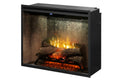
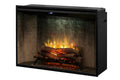
The intended use also shapes the product category. A log set insert sits on the firebox floor and replicates the look of burning logs inside an existing masonry or prefab box. A full-width insert fills the opening edge to edge. Both are valid approaches, but they are sized and installed differently.
How Do You Match Your Measurements to Manufacturer Specifications?
Once you have your three measurements and a clear sense of intended use, the process of matching them to product specs is methodical.
Pull up the manufacturer specification sheet for any insert you are considering. Look for:
| Spec Field | What to Compare It To |
|---|---|
| Recommended opening width | Your measured opening width |
| Recommended opening height | Your measured opening height |
| Unit body depth | Your measured firebox depth |
| Trim kit coverage | Gap between unit body and opening edge |
| Heating output (BTU/sq ft) | Room size, if heat is a priority |
The recommended opening range is the most important field. If your opening falls within that range, the unit is designed to fit your space. If it falls outside the range, either the unit will leave an uncovered gap or it will not fit at all.
One scenario that comes up regularly: a homeowner has a floor-to-ceiling masonry fireplace with an unusually large or unusually small opening. Standard inserts may not cover the full range of opening sizes. In that case, a product specialist can cross-reference your opening measurements and intended use against available insert specifications to recommend the correct unit and help you avoid the sizing mismatches most commonly seen in the field. That conversation takes minutes and eliminates the most expensive mistake in this process - ordering a unit that does not fit.
If you are converting a wood or gas fireplace to electric, the same measurement process applies, but you may also need to account for any existing gas line or firebox liner that affects the usable depth or height of the opening.
What Happens When the Insert Does Not Fit Perfectly?
Not every fireplace opening is a standard size, and not every insert will drop in without some adjustment. That is normal, and there are a few reliable ways to handle it.
Trim kits: Most quality inserts include or offer a trim kit - a metal surround that overlaps the opening edge and covers the gap between the unit body and the masonry or drywall. Trim kits are available in different extension sizes. If your opening is slightly larger than the unit body, a wider trim kit resolves it cleanly.
Masonry modification: If the opening is slightly too small for the insert you want, a mason can modify the brick or stone surround to widen or heighten the opening. This is more involved but common in older homes with non-standard masonry openings.
Custom trim fabrication: One customer with specific tile surrounds noted: "For our particular dimension requirements, I had to cut and re-bend the top trim piece... It turned out great I think, pretty sure nobody would even know what I did to it." For homeowners with fabrication skills or access to a metalworker, minor trim adjustments are a practical solution.
The key is to identify the gap between your measurements and the product spec before you order, not after the unit arrives. That is what the measurement step is for.
How Do You Get the Size Right the First Time?
Sizing an electric fireplace insert correctly is a measurement problem before it is a shopping problem. Measure the opening width, height, and depth. Compare those numbers to the manufacturer's recommended opening range, not just the unit body dimensions. Confirm the trim kit covers any gap. Then decide whether the priority is visual impact, supplemental heat, or both, and let that guide the final spec.
The process is repeatable and reliable when the measurements are accurate and the spec sheet is read correctly. Most sizing problems Electric Fireplaces Depot sees in the field trace back to one of two things: measuring only once without checking for variation in the opening, or confusing the unit body dimensions with the recommended opening dimensions.
If you want to talk through your specific measurements before ordering, a product specialist at Electric Fireplaces Depot can help you cross-reference your opening against available insert options. Reach out by phone or text at 800-309-2144 or by email at sales@electricfireplacesdepot.com.
Checklist
- Measure opening width, height, and depth in three places each; use the smallest reading as your controlling dimension
- Compare your measurements to the manufacturer's recommended opening range, not the unit body dimensions
- Confirm the trim kit dimensions cover the gap between the unit body and your opening edge
- Decide whether the insert is for visual use, supplemental heat, or both before comparing product specs - this determines which spec fields matter most for your application
- If your opening falls outside the standard range for most inserts, contact a product specialist to cross-reference your dimensions against available options before ordering
- For conversions from wood or gas, account for any existing liner, gas components, or firebox floor material that may reduce usable depth
FAQ
How do I measure my fireplace opening for an electric insert? Measure the interior width, height, and depth of the fireplace opening. Take each measurement in three places - front, middle, and back for width; left, center, and right for height - and use the smallest reading as your controlling number. Older fireplaces often have openings that are not perfectly square, so a single measurement at the front can give you a false reading.
Which dimension matters most when sizing a fireplace insert? All three matter, but depth is the one most often overlooked. If the insert body is deeper than your firebox, it will protrude into the room regardless of how well it fits the width and height. Always verify that the unit body depth is equal to or less than your measured firebox depth before ordering.
What is the difference between the insert size and the recommended opening size on a spec sheet? The insert size is the physical dimension of the unit itself. The recommended opening size is the range of fireplace opening dimensions the unit is designed to fit. These are different numbers. The insert body is typically smaller than the opening it fits into, and a trim kit covers the gap. Always compare your opening measurements to the recommended opening range, not the unit body dimensions.
Who should I contact if my fireplace opening is an unusual size? A product specialist who works directly with manufacturer specifications can cross-reference your exact opening measurements against available insert options. Electric Fireplaces Depot provides that kind of pre-purchase guidance by phone, text, or email, which is the most reliable way to avoid ordering a unit that does not fit a non-standard opening.
What if my opening is slightly larger than the inserts I am finding? A wider trim kit is often the answer. Most quality inserts offer trim kits in different extension sizes that can cover a gap between the unit body and the opening edge. If the gap is significant, a mason can modify the masonry surround to bring the opening closer to the insert's recommended range.
Does the size of the insert affect how well it heats the room? Heating output is determined by the unit's specifications, not its physical size relative to the opening. A larger insert does not automatically produce more heat. Check the manufacturer's listed heating output in BTUs or square footage coverage and compare that to your room size separately from the physical fit calculation.
Is an electric fireplace insert safe for homes with children? Most quality electric fireplace inserts do not produce an open flame and the glass front remains relatively cool compared to wood-burning or gas units. Many models include overheat protection, automatic shutoff, and timer functions. That said, the heater outlet and surrounding surfaces can become warm during operation, so manufacturer clearance guidelines should always be followed, and young children should be supervised around any fireplace appliance.