1-800-309-2144
Yes, you can use an electric fireplace in a bedroom, and for most homeowners it is one of the safest fireplace options available for a sleeping area. Electric fireplaces produce no combustion, require no venting, and generate no carbon monoxide - the three concerns that make gas and wood-burning fireplaces genuinely risky in enclosed spaces like bedrooms. With controllable heat settings and flame-only modes that let you enjoy the visual without any heat output, they are designed for exactly the kind of intimate, close-quarters use a bedroom demands.
The question most people are really asking is not whether it is physically possible, but whether it is safe to run one overnight, whether the heat could become a problem, and what type of unit actually makes sense in a bedroom setting. Those are the right questions, and they have clear answers.
Is It Safe to Run an Electric Fireplace While You Sleep?
Electric fireplaces are safe to use in bedrooms, including while sleeping, because they do not produce open flames, combustion gases, or carbon monoxide. There is nothing burning inside an electric unit - that is the fundamental difference from a gas or wood-burning fireplace.
That said, a few practical points matter. Most quality electric fireplaces include built-in overheat protection that automatically shuts the unit off if the internal temperature exceeds a safe threshold. Many also include timers so you can set the unit to turn off after a set number of hours, which is useful if you want the ambiance while falling asleep without leaving it running all night.
One customer who purchased a 60" unit specifically for a bedroom noted: "We got the 60" fire and it has added a real cosy feel to our bedroom." She also highlighted the flame-only mode: "Love how you can have it on decoration mode only without having to use heat function." That is a feature that matters specifically in bedrooms - the ability to have the visual experience of a fireplace without raising the room temperature while you sleep.
If you are concerned about are electric fireplaces safe for sleeping areas specifically, the short answer is that the absence of combustion removes the primary hazards associated with traditional fireplaces in enclosed spaces.
What Type of Electric Fireplace Works Best in a Bedroom?
The right unit depends on the bedroom layout, wall configuration, and whether you want supplemental heat or a purely visual feature. Three formats are most common in bedroom installations.
| Format | Best For | Heat Output | Installation Notes |
|---|---|---|---|
| Wall-mount Category | Bedrooms with limited floor space | Yes, adjustable | Surface-mounts to wall, minimal prep |
| Built In Category | Renovations or new builds with framing planned | Yes, adjustable | Recessed into wall for clean look |
| Firebox Inserts | Replacing an existing fireplace in a bedroom | Yes, adjustable | Slides into existing masonry or prefab opening |
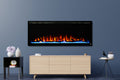
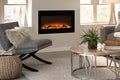
The built-in recessed format tends to work best in bedrooms where the goal is a clean, integrated look - the unit sits flush with the wall and does not project into the room. Wall-mount units are the most straightforward option when there is no existing fireplace opening and no framing work planned.
For bedrooms where aesthetics are the priority, premium electric fireplaces with multi-layer flame technology and edge-to-edge glass create a significantly more convincing visual than entry-level units. The difference is noticeable in a bedroom setting where the fireplace is often viewed up close, at eye level, from a bed.
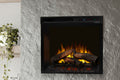
If the bedroom already has an existing wood or gas fireplace that is no longer in use, converting a wood or gas fireplace to electric with a Best Conversion Fireplaces insert is often the most efficient path - no venting required, no gas line needed, and the existing surround and mantel stay in place.
Will an Electric Fireplace Overheat a Bedroom?
This is the concern most bedroom buyers raise, and it is a legitimate one. A bedroom is typically a smaller, more enclosed space than a living room, so heat management matters more.
The answer depends on the size of the unit and how you use it. Most electric fireplaces offer multiple heat settings, and many allow the flame effect to run completely independently of the heater. If the room is already at a comfortable temperature, you can run the visual without adding any heat at all.
For context on sizing: a standard bedroom in the 150-to-250 square foot range generally does not need a large-output heater. Most quality electric fireplaces operate with adjustable heat settings, which means you can dial back the output to match the room rather than running at full capacity. The question of electric fireplace heating capacity is really about matching the unit's output to the room - and for most bedrooms, that is not a difficult match to make.
One customer described her experience with a unit heating a 650 square foot space: "I don't even turn on the baseboard heat, because this heats the entire 650 sq ft." That is a larger room than most bedrooms, which means for typical bedroom sizes, even a moderately-sized unit will be more than adequate - and the adjustable settings prevent it from overheating the space.
Running costs are predictable and manageable. Because electric fireplaces convert electricity directly to heat with no combustion loss, they offer a predictable operating cost compared to gas alternatives, and you only use the heat when you need it.
What Should You Look for When Choosing a Bedroom Electric Fireplace in 2026?
The bedroom market for electric fireplaces has shifted noticeably in recent years. Buyers are increasingly looking for units that serve a dual purpose: supplemental heat in winter and a visual feature year-round. That shift has pushed manufacturers toward more sophisticated flame technology and slimmer profiles that work in tighter wall assemblies.
When evaluating units specifically for a bedroom, these factors matter most:
Flame-only mode. A bedroom fireplace should be able to run the visual independently of the heater. Not every unit offers this - it is worth confirming before purchasing.
Noise level. Bedrooms are quiet environments. Some electric fireplaces produce fan noise that is unnoticeable in a living room but disruptive in a sleeping area. Units with quieter fan systems or fan-off options are worth prioritizing.
Flame realism. In a bedroom, the fireplace is often viewed from a relaxed, stationary position - lying in bed, reading, or winding down. That close, sustained viewing makes flame quality more apparent than it would be across a large living room. Units with do electric fireplaces look as realistic as wood or gas quality flame effects - multi-layer, depth-creating visuals - hold up under that kind of close attention.
Size proportionality. A 72" linear fireplace that reads beautifully in a great room can feel overwhelming in a 200 square foot bedroom. Bedroom installations typically work best in the 36" to 50" range, though master suites with larger feature walls can accommodate wider units.
At Electric Fireplaces Depot we pair every electric fireplace with the honest, expert guidance professionals and homeowners need to choose and install it with confidence. For bedroom installations specifically, that means helping you match the unit size to the wall, confirm that the flame-only mode works the way you expect, and choose a format that fits the room without requiring structural changes you did not plan for.
If you are weighing options for a bedroom installation, browsing our selection of premium electric fireplaces is a practical starting point - the catalog is organized by format and size, which makes it easier to narrow down what will actually fit your space.
Reach out directly if you want a recommendation based on your specific bedroom setup. Call or text 800-309-2144, or email sales@electricfireplacesdepot.com - we are happy to help you get this right before you purchase.
Checklist
- Confirm the unit you are considering has a flame-only mode that operates independently of the heater - this is essential for bedroom use.
- Check the manufacturer's specifications for fan noise level; quieter operation matters significantly in sleeping areas.
- Match the fireplace width to your wall space - most bedrooms are proportioned best with units in the 36" to 50" range.
- If replacing an existing wood or gas fireplace in a bedroom, verify that a direct-fit insert is available for your opening dimensions before purchasing.
- Look for built-in overheat protection and a programmable timer so the unit can shut off automatically after you fall asleep.
- Ask about the electric fireplace running cost vs gas fireplace to understand the long-term operating difference before committing to a format.
FAQ
Can I leave an electric fireplace on all night in a bedroom? Most quality electric fireplaces include overheat protection that shuts the unit off automatically if internal temperatures exceed safe limits. Many also include built-in timers that let you set an automatic shutoff window. Running the flame-only mode overnight is generally lower-risk than running the heater continuously, but using the timer function is the recommended practice for overnight use.
Which electric fireplace format is best for a small bedroom? Wall-mount units and slim recessed built-ins tend to work best in smaller bedrooms because they do not consume floor space and can be positioned at eye level for comfortable viewing from the bed. For rooms under 200 square feet, a 36" to 42" unit is usually the right proportion - large enough to be a visual feature without overwhelming the wall.
Who should I talk to before buying an electric fireplace for a bedroom? A specialist dealer - rather than a general marketplace - is the better resource because bedroom installations involve specific questions about noise level, flame-only operation, and sizing that generic product listings do not address. Electric Fireplaces Depot provides direct guidance to help homeowners match the right unit to the room before purchasing.
Do electric fireplaces produce carbon monoxide in a bedroom? No. Electric fireplaces produce no combustion and therefore no carbon monoxide, carbon dioxide, or any other combustion byproduct. This is the key safety distinction from gas and wood-burning fireplaces, which require venting specifically because they do produce combustion gases. An electric fireplace in a bedroom does not require a carbon monoxide detector specifically because of the fireplace - though having one in any sleeping area is always a sound practice.
How much does it cost to run an electric fireplace in a bedroom? Operating cost depends on your local electricity rate, the unit's wattage, and how often you run the heater versus the flame-only mode. Because bedrooms are typically smaller than living rooms, you will often run the heater at a lower setting or for shorter periods, which keeps consumption lower. Running the flame-only mode costs a fraction of what the heater costs to operate, making it an economical choice for ambiance without heat.
Is an electric fireplace safe for a child's bedroom? Electric fireplaces produce no open flame and no combustion gases, which removes the most serious hazards associated with traditional fireplaces. The front surface of most units does not reach dangerous temperatures the way a gas fireplace glass panel can. That said, any heating appliance should be positioned out of reach of young children, and manufacturer guidelines for minimum clearance distances should always be followed.
What's the difference between using an electric fireplace in a bedroom versus a living room? The primary differences are scale, noise sensitivity, and heat management. Bedrooms are smaller, quieter, and require more precise heat control than living rooms. A unit sized and specified for a living room may be too large, too loud, or too powerful for a bedroom. Choosing a unit with adjustable heat settings, a quiet fan, and a flame-only mode resolves most of these differences.