1-800-309-2144

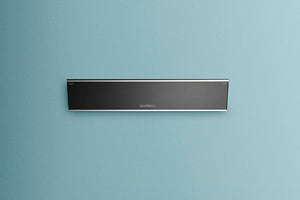
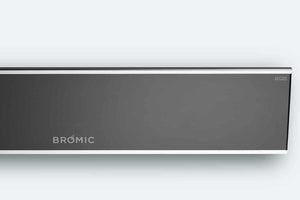
The choice between a built-in electric fireplace and a wall-mounted unit comes down to one question: is the wall open or finished? Built-in units are recessed into a wall cavity and deliver a clean architectural result when framing can be planned around the unit. Wall-mounted units surface-mount directly to a finished wall and are the right call when opening that wall is not practical. Both require no venting and no gas line, so the decision is driven by enclosure availability, design intent, and construction stage - not mechanical constraints.
If you are specifying a fireplace right now, that single variable - open framing versus finished wall - will point you to the correct format before anything else.
What Actually Separates a Built-In from a Wall-Mounted Unit?
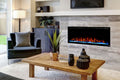
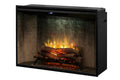
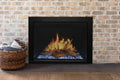
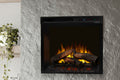
A built-in electric fireplace sits inside a framed wall cavity. The unit is recessed so the face sits flush with the surrounding wall surface, creating a clean architectural feature. This is the configuration most commonly specified for new construction or major renovation where wall assemblies are still open and framing can be built around the unit's exact dimensions.
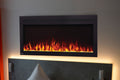
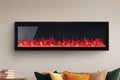
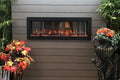
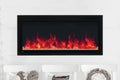
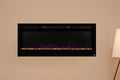
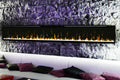
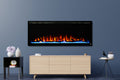
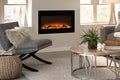
A wall-mounted electric fireplace, by contrast, mounts directly to the surface of a finished wall. The unit projects outward from the wall face. No cavity, no framing work, no drywall modification required - the fireplace attaches to studs or a mounting plate and connects to a nearby electrical circuit.
The visual result differs too. Built-in units tend to disappear into the wall, giving the fireplace a furniture-level or architectural presence. Wall-mounted units have a more defined profile that reads as an object on the wall - which works well in contemporary interiors where that distinction is intentional.
For trade professionals weighing electric fireplace venting requirements, neither format needs it. That removes a major variable from the specification decision entirely.
Which Configuration Is Right for New Construction vs. Retrofit?
New construction and major renovation: Built-in units are the natural specification here. When wall assemblies are open, framing can be sized precisely to the unit's rough opening. The result is a clean, flush installation with no visible profile. This is where built-ins deliver their full architectural value - the fireplace becomes part of the wall, not an addition to it. If electric vs gas fireplace cost is a factor in the overall project budget, built-in electrics also eliminate the gas line rough-in entirely.
Retrofit and finished-space projects: Wall-mounted units are the reliable choice when opening a wall is not feasible - occupied units, tenant improvement projects, completed renovations where the client wants a fireplace added after the fact. The ready solution reduces install complexity and shortens install time, which matters when client delivery timelines are firm. No framing, no drywall repair, no mess.
The honest question to ask at specification stage is: what stage of construction are you in right now? If framing is open, a built-in gives the cleaner result. If the wall is finished, a wall-mounted unit avoids unnecessary work on the wall and still delivers strong visual impact.
For projects where an existing opening already exists - a converted wood or gas fireplace, for example - the drop-in electric fireplace installation path has its own set of considerations around rough opening dimensions and enclosure prep.
Does the Intended Use Change the Specification?
It can. The question worth asking before finalizing the spec: what is the intended use - visual feature or supplemental heat?
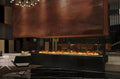
If the fireplace is primarily a client-facing visual impact element - a focal point in a living room, lobby, or hospitality space - either format can serve that purpose well. Built-ins tend to read as more architectural and premium in luxury residential contexts. Wall-mounted units can achieve a similar modern linear aesthetic, particularly in commercial or contemporary residential settings.
If supplemental heat output is a factor in the specification, unit selection should be confirmed against manufacturer specs regardless of format. Neither the built-in nor wall-mounted category automatically delivers more heat - output varies by model, not by mounting style.
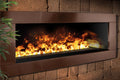
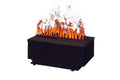
One area where the intended use genuinely narrows the choice: if the project calls for a highly realistic, three-dimensional flame effect and the enclosure can be planned from scratch, some designers specify a Water Vapor Fireplace for that application. Water vapor units create their flame effect using fine vapor and LED lighting rather than a screen or reflection panel, which produces a depth of flame that reads differently than standard electric formats. Those units have their own enclosure and installation requirements that need to be addressed before specification is finalized.
An architect noted in feedback to Electric Fireplaces Depot that the pre-purchase guidance made the difference: "excellent telephone advice" was the specific comment - and that kind of upfront spec support is exactly where format decisions like built-in versus wall-mounted get resolved correctly before materials are ordered.
How Do Cost and Installation Complexity Compare in 2026?
The cost difference between built-in and wall-mounted electric fireplaces is not purely about the unit price - it is about total installed cost, which includes labor, framing, drywall, finish work, and electrical.
| Factor | Built-In | Wall-Mounted |
|---|---|---|
| Wall cavity required | Yes - framing must be planned or opened | No - mounts to finished wall surface |
| Install complexity | Higher - framing, drywall, finish work | Lower - mounting hardware, electrical connection |
| Visual result | Flush, architectural, premium appearance | Surface profile, contemporary object on wall |
| Best project stage | New construction, open renovation | Retrofit, finished space, tenant improvement |
| Electrical requirement | Dedicated circuit in wall cavity | Nearby outlet or hardwired connection |
The key takeaway: wall-mounted units reduce install complexity and shorten install time, which directly reduces labor cost on retrofit projects. Built-in units carry higher installation labor but deliver a cleaner architectural result that is difficult to achieve any other way on new construction.
For multi-unit projects where the specification repeats across many units, the labor differential compounds. Trade pricing electric fireplaces for volume projects is a separate conversation worth having early, since the unit cost and the install approach together determine the real project economics.
What Should You Confirm Before the Specification Is Final?
Most specification errors on electric fireplace projects happen before the unit is ordered - not during installation. The format decision (built-in versus wall-mounted) gets made at the wrong stage, or without confirming the construction timeline, enclosure conditions, and finish expectations with the person making the final call.
The questions that resolve this correctly: Is there an existing enclosure or wall, or are you building from scratch? What stage of construction is the project in right now? Who is making the final specification decision - builder, designer, or client? What is the intended use - visual feature or supplemental heat?
Based on those answers, the right format becomes clear. Electric Fireplaces Depot helps trade professionals work through exactly this decision before the specification is finalized, so the unit ordered matches the project conditions rather than creating a problem after delivery.
Checklist
- Confirm construction stage before specifying format: open framing points to a built-in, finished wall points to wall-mounted.
- Verify rough opening dimensions against the manufacturer's spec sheet before ordering any built-in electric fireplace for new construction or renovation.
- For retrofit projects, confirm electrical access near the intended wall location to avoid running new circuits through finished walls.
- If supplemental heat output is part of the project brief, confirm heat output against manufacturer specs - do not assume format determines output.
- For multi-unit residential or commercial projects, ask about trade pricing early; the format decision and the volume discount conversation should happen at the same time.
- When the project calls for a high-realism flame effect and enclosure can be planned from scratch, evaluate water vapor options before finalizing the spec - those units have specific installation requirements that affect the format decision.
FAQ
Which type of electric fireplace is easier to install in an existing room? A wall-mounted electric fireplace is the easier installation in a finished space. It mounts directly to the wall surface without requiring a cavity, framing work, or drywall modification. This makes it the reliable choice for retrofit projects, tenant improvements, and any situation where opening the wall is not practical.
Who should specify a built-in electric fireplace versus a wall-mounted unit? Builders and general contractors working on new construction or major renovations with open wall assemblies are the natural audience for built-in units - framing can be sized to the unit and the result is a flush, architectural installation. Designers and renovation contractors working in finished spaces, or on occupied properties, are better served by wall-mounted units that avoid structural work on the wall.
Does a built-in electric fireplace look more premium than a wall-mounted one? In most luxury residential contexts, yes. A built-in unit recesses flush into the wall and reads as part of the architecture rather than an object added to it. That said, wall-mounted units in a modern linear format can achieve a strong contemporary aesthetic - the right choice depends on the design intent and the interior style, not a universal rule about which format looks better.
Which format works better for multi-family or multi-unit projects right now in 2026? Wall-mounted units are more commonly specified for multi-unit residential projects in 2026 because they reduce install complexity, shorten install time, and scale reliably across identical units. They are also code-compliant for multifamily applications since they require no venting and no gas line. Built-ins are specified in new construction multifamily when the development is framing from scratch and the architectural finish justifies the additional framing labor.
What drives the cost difference between built-in and wall-mounted electric fireplaces? The unit price difference between formats is often smaller than the labor difference. Built-in units require framing, drywall work, and finish work around the cavity - costs that compound on retrofit projects. Wall-mounted units eliminate that labor entirely. Total installed cost, not unit price alone, is the number that matters for project budgets.
Is there a format that works better for high-realism flame effects? Both formats are available with high-quality flame technology. For the most realistic, three-dimensional flame effect, some designers specify water vapor units, which create flame using fine vapor and LED lighting rather than a screen-based effect. Water vapor units have specific enclosure and installation requirements and are their own category - not simply a variation of standard built-in or wall-mounted electric fireplaces.
Where does the specification decision most often go wrong on these projects? The most common error is selecting the format before confirming the construction stage and enclosure conditions. A built-in specified for a project that turns out to have finished walls creates a change order. A wall-mounted unit specified for a luxury new construction project may not deliver the architectural result the client expected. Confirming those variables before ordering is the single most effective way to avoid post-delivery problems.
If you are working through a specification right now and want to confirm the right format before ordering, Electric Fireplaces Depot can walk through the project details with you - construction stage, enclosure conditions, design intent, and heat requirements - and recommend the correct unit and installation approach. Call or text 800-309-2144, or reach the pro team directly at pro@electricfireplacesdepot.com.